

To meet these evolving requirements, manufacturers have developed high-strength steels for body components, though these materials present challenges in cold forming. This gave rise to hot-forming technology. Initially developed for high-strength steel plates, the hot-forming process involves: heating boron-alloyed steel (with room-temperature strength of 500-600 MPa) to 850-950°C for austenitization, stamping in water-cooled dies, and rapid quenching to transform austenite into martensite, significantly enhancing strength for safety compliance.
The growing adoption of hot-formed steel stems from its exceptional strength-to-cost ratio compared to alternative materials. However, automotive engineers must balance safety with lightweighting, driving innovation in hot-forming processes, materials, and designs tailored to various body components. Below are five cutting-edge hot-forming technologies combining novel processes and materials:
1. Short-Process Hot-Rolled Hot-Forming Steel
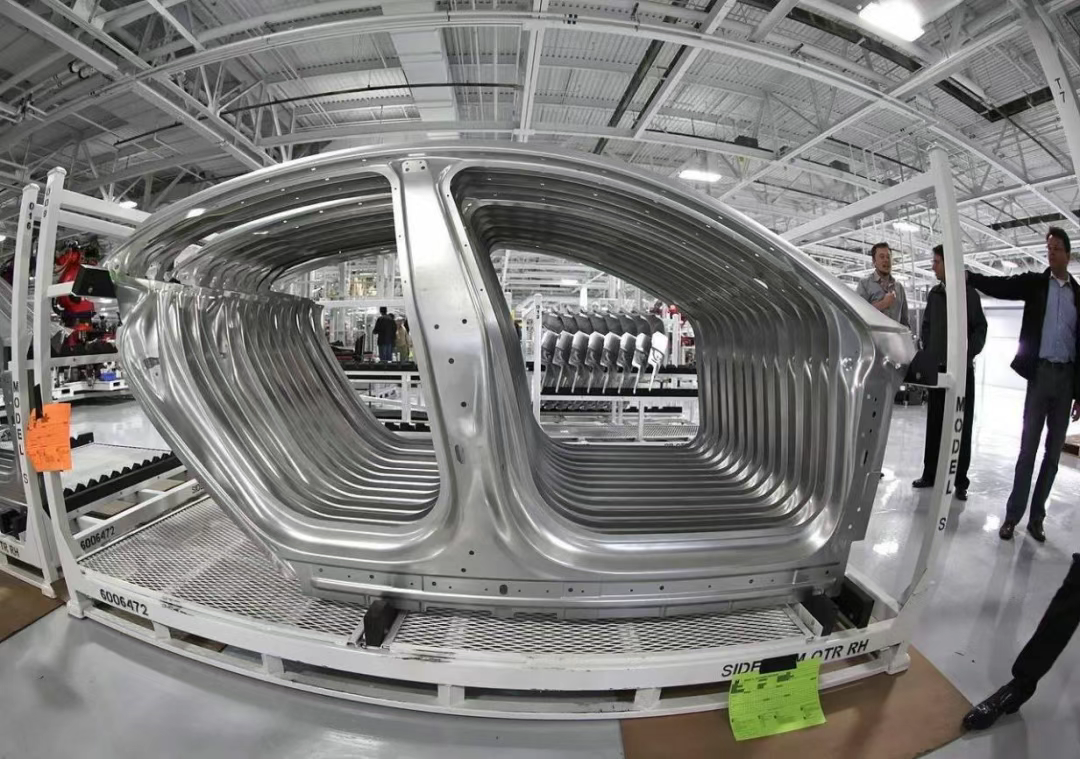
From a sustainability perspective, automotive decarbonization now requires lifecycle approaches spanning design, manufacturing, usage, and recycling. Energy-efficient short-process rolling has gained traction—thin-slab continuous casting and rolling (CSP) reduces energy consumption by over 50% compared to conventional hot rolling. Its rapid solidification and direct rolling characteristics make it ideal for thin-gauge, high-strength steel products. Chinese steelmakers have developed CSP-based hot-forming steels matching conventional grades in performance and applications while reducing production energy consumption.
2. Tailored Tempering Hot-Forming (TTH)
This technology employs blanks with variable thicknesses designed according to part load requirements, enabling weight reduction without compromising performance. Pioneered in 2006 with the Dodge Caliber and BMW X5, it marked the first use of tailored rolled and press-hardened components in automotive bodies.
3. Segmented Reinforcement Hot-Forming
European leader Gestamp has pioneered this patented multi-stage process, merging traditional stamping steps into single operations—a revolutionary advancement in die and press technology. By combining cold-stamping efficiency with hot-forming capabilities, and integrating materials like aluminum and carbon fiber, the technology meets both safety and lightweighting demands. Gestamp has also innovated one-piece door ring designs and established a €50 million joint venture in China (2018) for body-in-white and chassis components.
4. Laser-Welded Hot-Forming
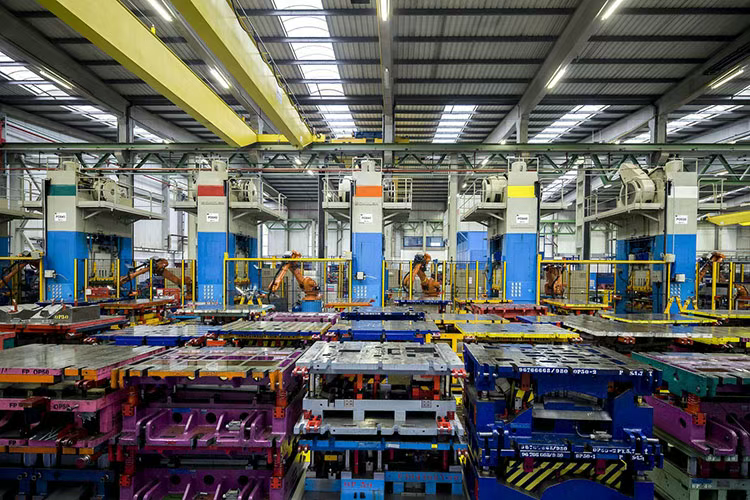
First applied in the 2019 Acura RDX’s front door rings, this technique laser-welds blanks of varying materials, thicknesses, or coatings before hot-stamping. It addresses challenges like ultra-wide panels and localized performance requirements, significantly reducing weight, cost, and environmental impact. Key suppliers include ArcelorMittal, ThyssenKrupp, Nippon Steel, and Baosteel.
5. High-Strength Aluminum Hot-Forming
While steel remains dominant due to strength, cost, and manufacturing constraints, aluminum offers ~40% weight savings. The HFQ® (Hot Form Quench) technology, developed by UK-based Impression Technologies and introduced in China via Changchun Jilin, enables high-strength aluminum forming with minimal springback, 20-40% weight reduction, and streamlined tooling design.
Market Outlook
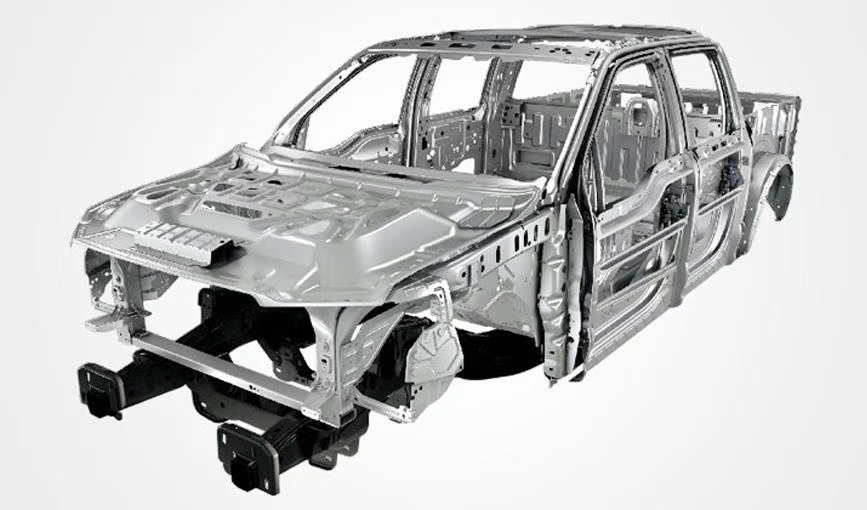
China’s growing auto production, stringent safety regulations, and lightweighting demands present vast opportunities for hot-formed steels. Compared to magnesium, aluminum, or carbon fiber, hot-formed steels offer lower lifecycle emissions, supporting sustainability goals. Despite advancements in smart vehicles reducing conventional collisions, emerging cybersecurity risks may introduce new safety threats, underscoring the continued need for high-strength materials in passive safety systems.
Global manufacturers continue to innovate across design and production, demonstrating unique approaches to hot-forming challenges—from structural optimization to novel material applications—shaping the future of automotive safety and efficiency.