1. Introduction
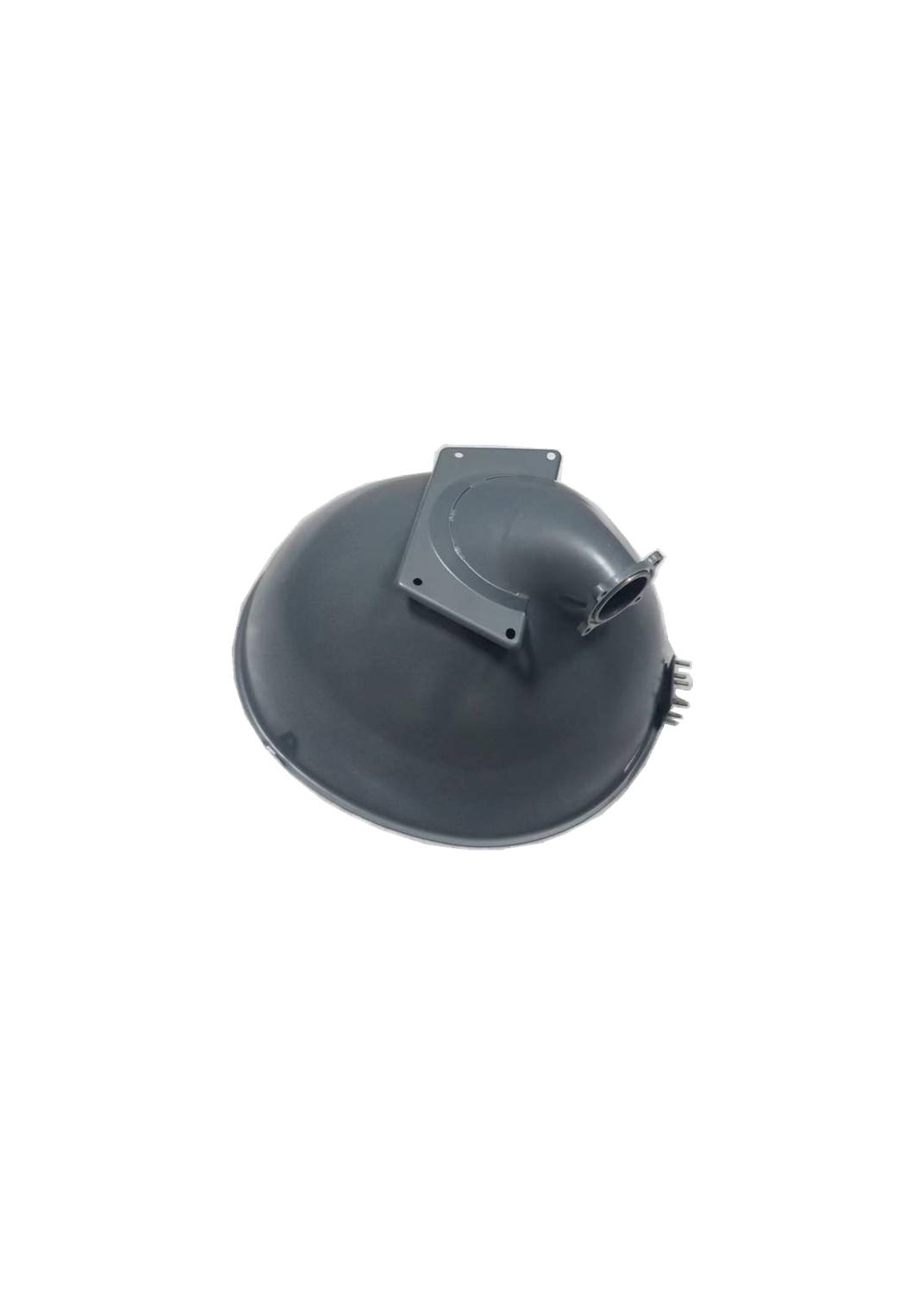
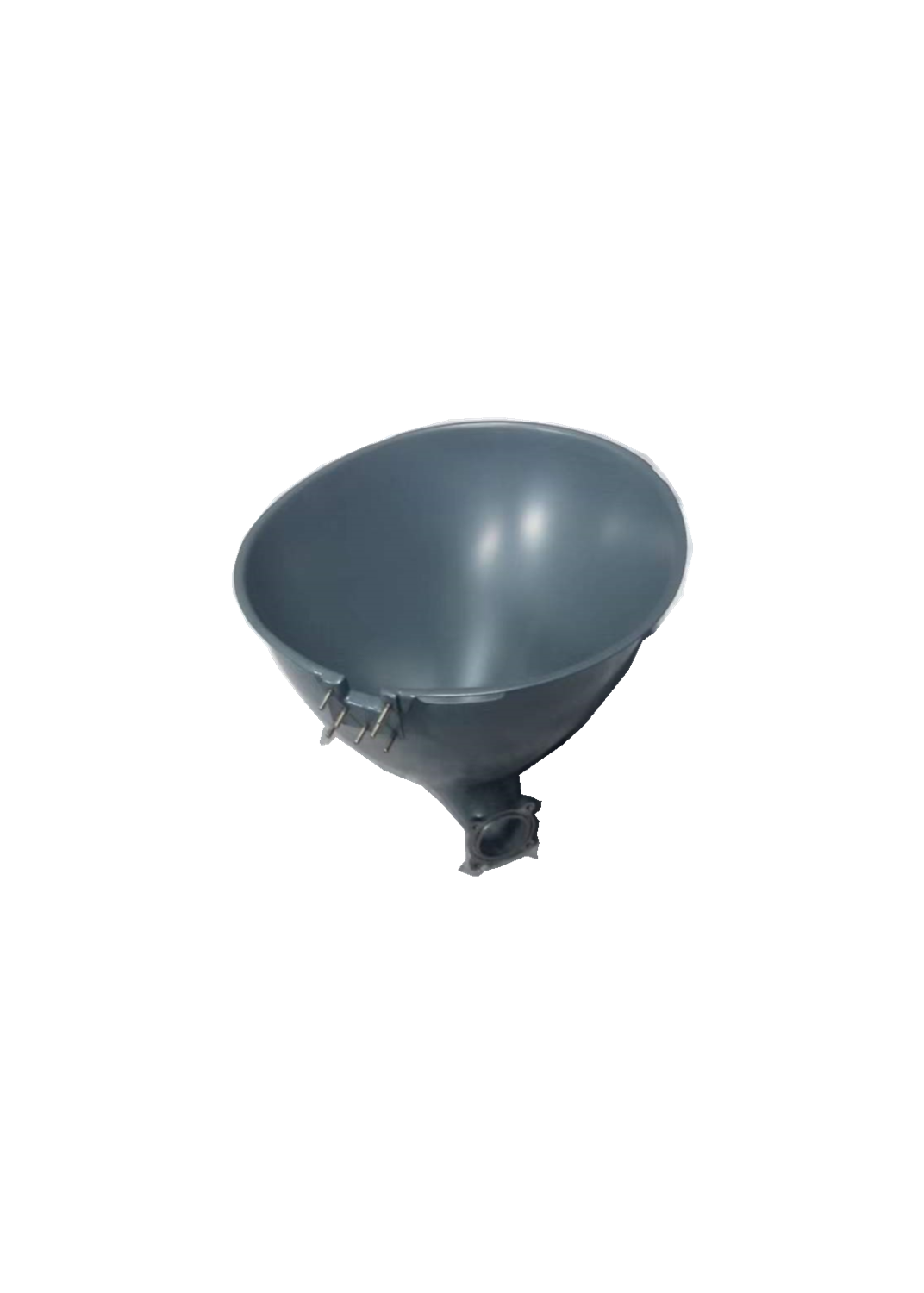
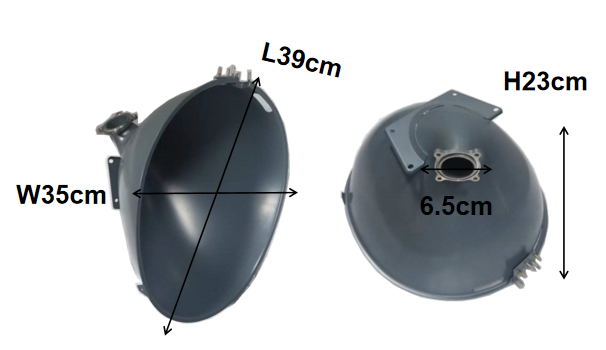
Aircraft sanitation systems demand high standards in weight reduction, durability, hygiene, and ease of maintenance. Stainless steel WC toilet bowls have become the preferred choice for modern commercial aircraft (such as the Boeing 787 and Airbus A350) due to their superior performance. This article provides a comprehensive analysis of stainless steel piss wc toilet, covering material selection, structural design, manufacturing processes, performance validation, and comparative advantages.
2. Material Selection and Performance Requirements
2.1 Stainless Steel Grades
Aircraft toilet bowls typically use 304 (06Cr19Ni10) or 316 (06Cr17Ni12Mo2) stainless steel, selected based on the following criteria:
- 304 Stainless Steel: Lower cost, suitable for standard aircraft (e.g., Boeing 737), with adequate corrosion resistance.
- 316 Stainless Steel: Contains 2-3% molybdenum (Mo), offering superior resistance to chloride corrosion, ideal for high-humidity/salt environments (e.g., maritime routes).
2.2 Material Performance Metrics
| Property | 304 Stainless Steel | 316 Stainless Steel |
|---|---|---|
| Tensile Strength (MPa) | 520-750 | 530-680 |
| Yield Strength (MPa) | 205-310 | 205-310 |
| Elongation (%) | ≥40 | ≥40 |
| Hardness (HV) | 150-200 | 150-200 |
| Salt Spray Resistance | 500h no rust | 1000h no rust |
Key Requirements:
- Lightweight: Sheet thickness controlled at 0.8-1.2mm, with structural optimization for strength.
- Chemical Resistance: Must withstand long-term exposure to urine, cleaning agents (pH 2-12), and disinfectants (e.g., sodium hypochlorite).
3. Structural Design and Functional Components
3.1 Main Structure
-
Bowl Shell
- U or V-shaped stamped structure: Minimizes liquid retention and optimizes fluid dynamics.
- Reinforcement ribs: Finite element analysis (FEA)-optimized rib layout enhances vibration resistance (meets RTCA DO-160G standards).
-
Vacuum Drainage Interface
- Flange connection: DN40 standard flange ensures airtight integration with aircraft vacuum systems (leak rate ≤1×10⁻⁶ mbar·L/s).
- Anti-siphon valve: Prevents backflow due to high-altitude pressure differentials.
3.2 Surface Treatment System
-
Electropolishing
- Process parameters:
- Electrolyte: Phosphoric + sulfuric acid mix (3:1 ratio)
- Current density: 15-30A/dm²
- Duration: 5-10 minutes
- Result: Surface roughness Ra≤0.8μm, forming a passive Cr₂O₃ layer for enhanced corrosion resistance.
- Process parameters:
-
Nanoscale Hydrophobic Coating (e.g., SiO₂-based)
- Contact angle ≥110°, reducing waste adhesion and improving cleaning efficiency by 50%.
4. Manufacturing Process
4.1 Precision Stamping
- Laser Cutting: Fiber laser (3kW power), tolerance ±0.1mm.
- Deep Drawing:
- Die material: Tungsten carbide (e.g., YG8)
- Pressure: 800-1000 tons
- Draw ratio: ≤2.0 (prevents cracking)
- CNC Bending: Angle tolerance ±0.5°.
4.2 Welding Process
- Robotic TIG Welding:
- Shielding gas: 99.99% argon
- Speed: 8-12 cm/min
- Inspection: X-ray testing (ISO 5817 Grade B).
4.3 Surface Treatment
- Pickling & Passivation:
- Solution: 20% nitric acid + 5% citric acid
- Temperature: 50-60°C
- Duration: 20-30 minutes
- Nano-Coating Application:
- Method: Electrostatic spray (5-10μm thickness)
- Curing: 180°C for 30 minutes.
4.4 Quality Testing
| Test Item | Standard & Method | Acceptance Criteria |
|---|---|---|
| Leak Test | Helium mass spectrometry (ISO 15848) | ≤1×10⁻⁶ Pa·m³/s |
| Pressure Cycling | Simulated flight conditions (-0.5~+0.3 bar) | 3,000 cycles no leaks |
| Salt Spray Test | ASTM B117 | 500h (304) / 1,000h (316) no rust |
5. Core Advantages
5.1 Comparison with Plastic Bowls
| Metric | Stainless Steel Bowl | Engineering Plastic (e.g., PPSU) |
|---|---|---|
| Service Life | 15+ years | 5-8 years |
| Cleaning Time | 2 minutes/use | 5 minutes/use |
| Heat Resistance | Up to 120°C | Max 100°C |
| Maintenance Cost | Low (modular design) | High (full replacement needed) |
5.2 Economic Benefits
- Weight Savings: Each stainless steel bowl (~3.5kg) is 20% lighter than plastic, reducing aircraft weight by ~50kg (0.2% fuel savings).
- Maintenance Savings: Lifetime cost savings of ~$15,000 per unit.
6. Future Trends
- Additive Manufacturing (3D Printing): Laser powder bed fusion (SLM) for topology-optimized structures, reducing weight by 30%.
- Smart Monitoring: Integrated sensors (e.g., pH, clog detection) for predictive maintenance.
7. Conclusion
Stainless steel aircraft toilet bowls outperform traditional solutions in lightweighting, durability, and hygiene through advanced materials, precision manufacturing, and surface treatments. With emerging technologies, their advantages will further solidify their dominance in aviation sanitation systems.