

With the rapid development of the aviation industry, the demand for lightweight, high-strength and high-precision structural components in the field of aircraft design and manufacturing is increasing, and the sheet metal forming process, as an advanced manufacturing process, has demonstrated its unique advantages and potentials in the manufacturing of aviation structural components.
Overview of Sheet Metal Forming Process
Definition and Classification of Sheet Metal Forming
Sheet metal forming is a common metalworking process in which sheet metal is processed into parts or components with specific shapes and sizes by stamping, bending, and deep-drawing the sheet metal. Sheet metal forming process plays an important role in the manufacturing of aerospace structural components, and its application scope covers various components such as aircraft fuselage, wings, hatches, etc., which provides an effective solution for the lightweight design of aircraft. Sheet metal forming is mainly divided into four categories according to the processing method and process characteristics.
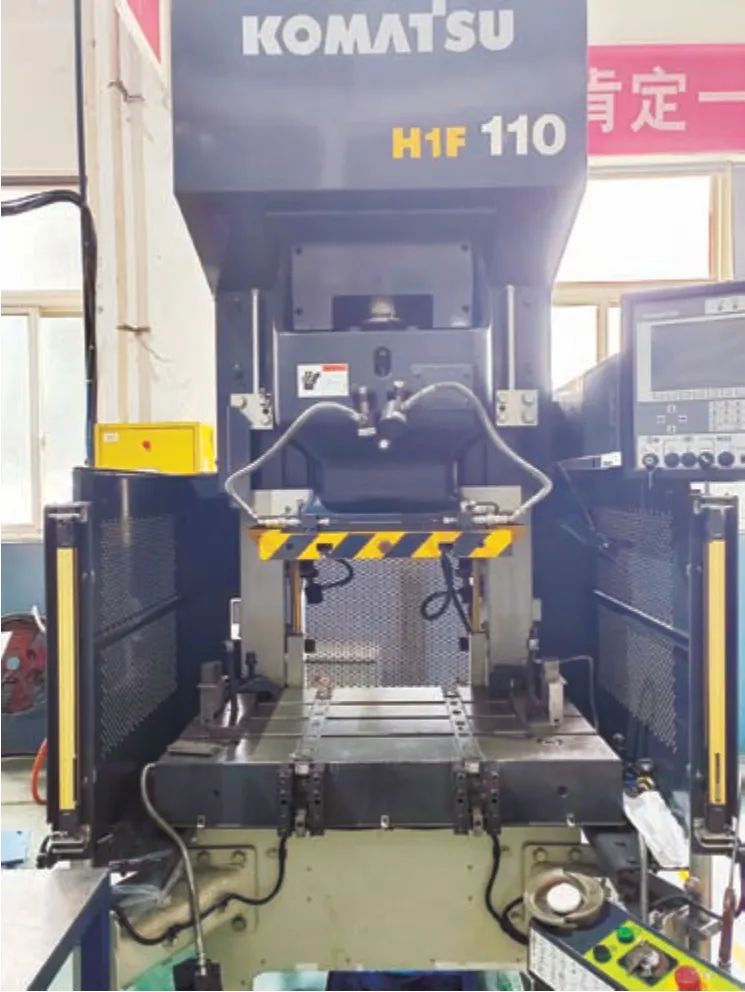
(1) Stamping forming. Stamping is one of the most commonly used processes in sheet metal forming, in which sheet metal is pressed through a die to deform it so as to obtain a part of the desired shape, as shown in Figure 1. Stamping and forming is suitable for the production of large quantities of parts and is characterized by high efficiency and good repeatability.
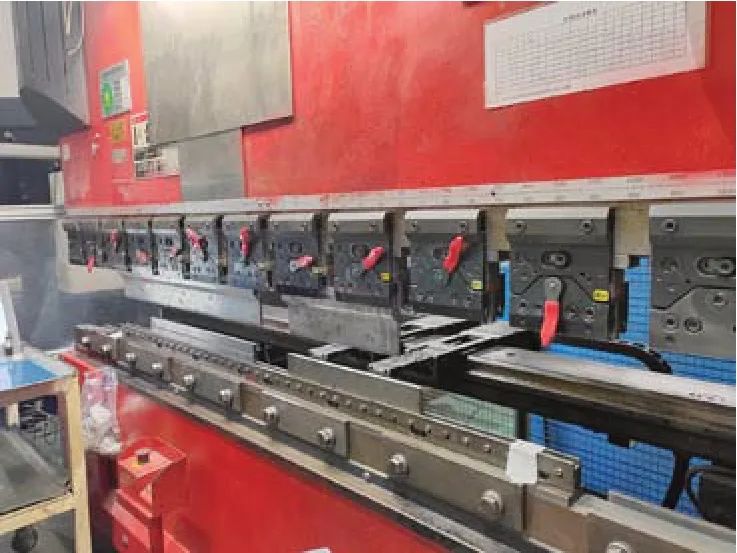
(2) Bending forming. Bending is the sheet metal according to the design requirements for bending, forming the required angle and shape, commonly used in the production of boxes, wall plates and other structural components, as shown in Figure 2. Bending molding process is simple and easy, suitable for processing complex shaped parts.
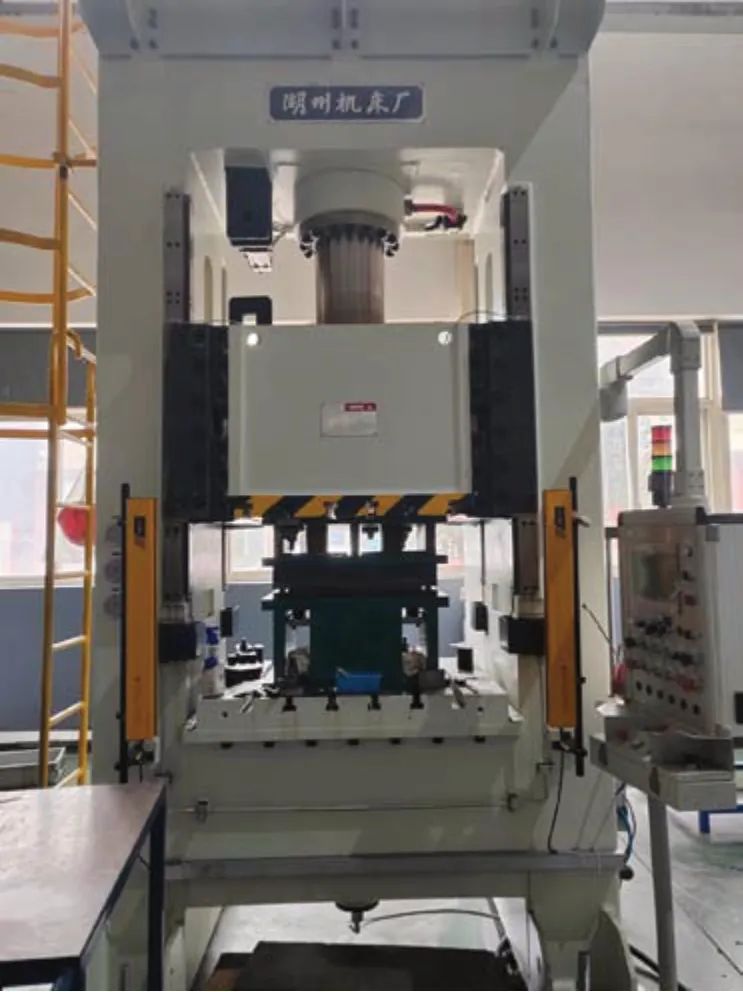
(3) deep drawing molding. Deep-drawing is the metal plate deep-drawing to a certain shape and size of the process, applicable to the production of curved components, concave and convex parts and other complex parts, as shown in Figure 3. Deep-drawing forming process requirements are strict, need to consider the plastic deformation of the material and stress distribution.
(4) Roll forming. Roll forming is a process of rolling sheet metal through a roller press to make it undergo plastic deformation and get the desired shape. Roll forming is suitable for making round or nearly round parts, and has the advantages of high efficiency and high molding accuracy.
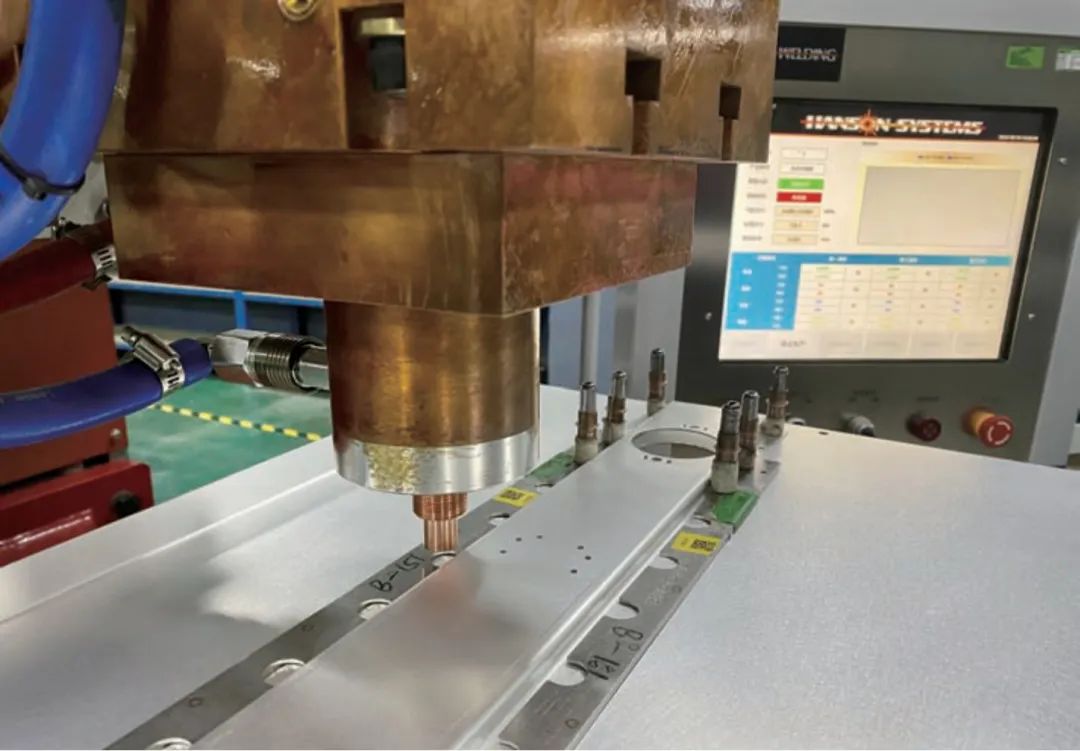
(5) Welding forming. Welding is a manufacturing process and technology that joins metals or other thermoplastic materials such as plastics through heating, high temperature or high pressure, and is a commonly used joining process in sheet metal forming for joining and repairing a wide range of materials, as shown in Figure 4. Welding can realize the integral design of structural parts, but it requires high requirements on welding technology and material selection, and is prone to welding deformation and cracks.
Development history of sheet metal forming process
Sheet metal forming process, as an important metal processing technology, has a long history of development in the field of aerospace structural components manufacturing, which can be divided into four stages.
(1) Early stage. Sheet metal processing originated in ancient times, initially manually using simple tools to process sheet metal, such as bending, hammering and other ways to make basic metal components. This stage focuses mainly on manual skills, low productivity and difficulty in realizing the manufacture of complex shaped parts.
(2) Industrialization stage. With the advent of the industrial electric era, the development of mechanized processing equipment led to the industrialization of sheet metal forming process. 19th century, the end of the early 20th century, punch presses, bending machines and other machinery and equipment widely used to make the sheet metal forming process has been the rapid development of production efficiency has increased dramatically, but also be able to achieve a higher degree of precision and complex shapes of the process.
(3) Automation stage: From the late 20th century to the beginning of the 21st century, with the rapid development of computer technology and automation control technology, the sheet metal forming process has entered the automation stage. CNC punch presses, laser cutting machines, automated bending equipment and other advanced equipment application makes sheet metal processing more accurate and efficient, while reducing human error, improve the stability and reliability of production.
(4) Intelligent stage. Currently, with the rapid development of artificial intelligence, big data and other new generation technologies, sheet metal forming process is gradually developing in the direction of intelligence. The introduction of intelligent manufacturing systems makes the production process more intelligent and flexible, and can realize rapid switching and production according to different product requirements, which improves the customization ability and adaptability of production.
Application of Sheet Metal Forming in Aerospace Manufacturing
Status sheet metal forming process in the aviation structural components manufacturing has a wide range of important applications, mainly in the following areas:
(1) Manufacture of structural parts: Sheet metal forming process is widely used in the manufacture of aeronautical structural parts, such as fuselage shells, winglets, hatches and other components. The use of sheet metal forming technology can effectively realize the lightweight design of aircraft structural parts, improve the strength and stiffness of the fuselage, and at the same time reduce the overall weight, to meet the demand for high performance and energy saving and environmental protection of aircraft.
(2) Parts processing. Sheet metal forming process is also used in the processing and manufacturing of aviation components, such as aircraft engine cowlings, air intakes and other key components. Through the precision sheet metal forming process can be realized on the complex shape of the parts of the high-precision processing, to ensure that the parts comply with the design requirements of the aircraft, improve the overall performance and safety of the aircraft.
(3) Maintenance and modification. In aircraft operation, sheet metal forming process is also widely used in aircraft maintenance and modification. For example, sheet metal forming technology can be used to repair damaged aerospace structural components, repair scratches, dents and other damage to the aircraft shell, and can also be used to modify the shape of the aircraft to enhance flight performance or aesthetics.
(4) Cost-effectiveness. The application of sheet metal forming process in aviation manufacturing also brings significant cost benefits. Compared with traditional casting, forging and other processing methods, sheet metal forming process has the advantages of short production cycle, low manufacturing cost, high production efficiency, etc., which can effectively reduce the cost of aircraft manufacturing and maintenance, and improve the overall economic efficiency.