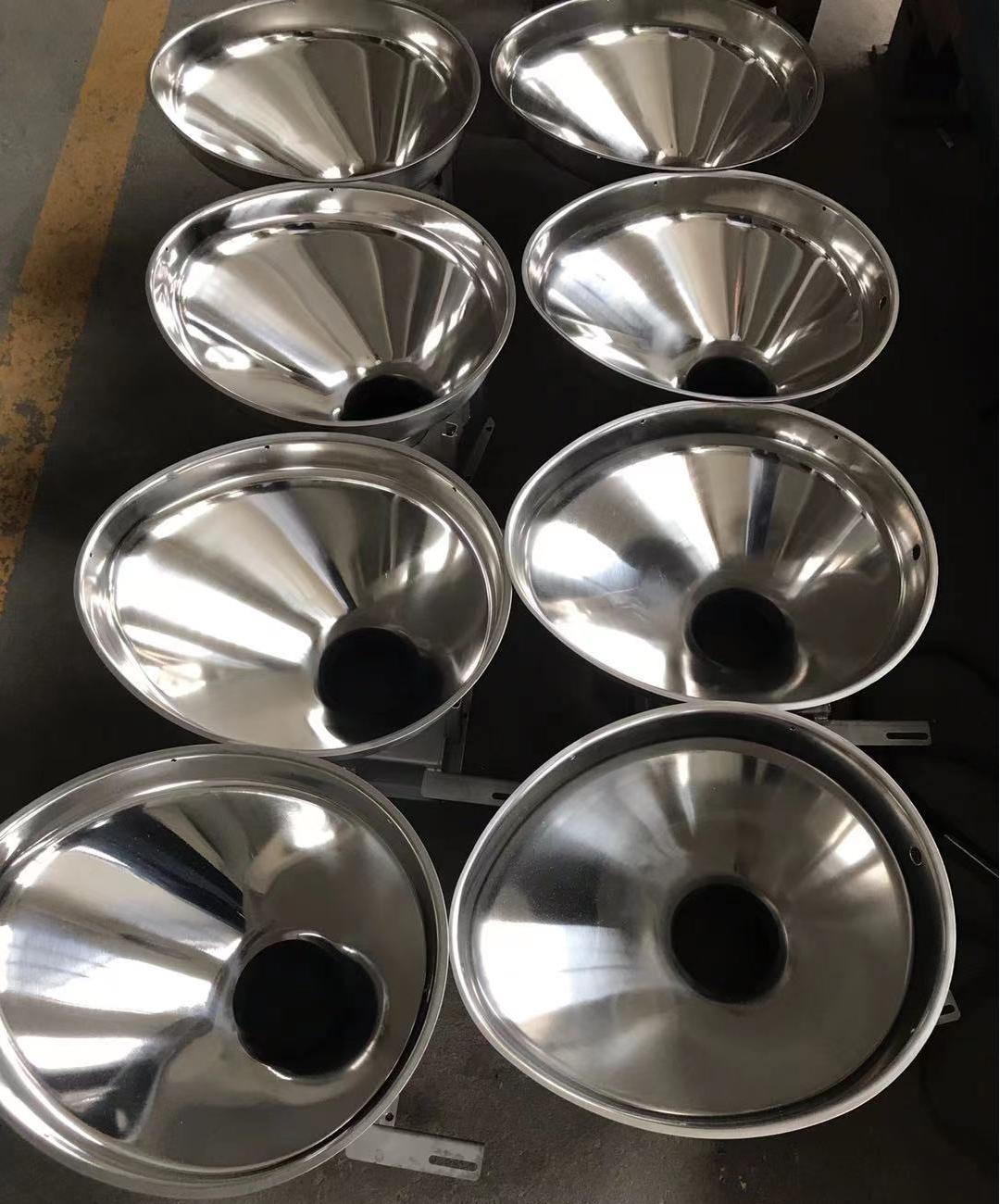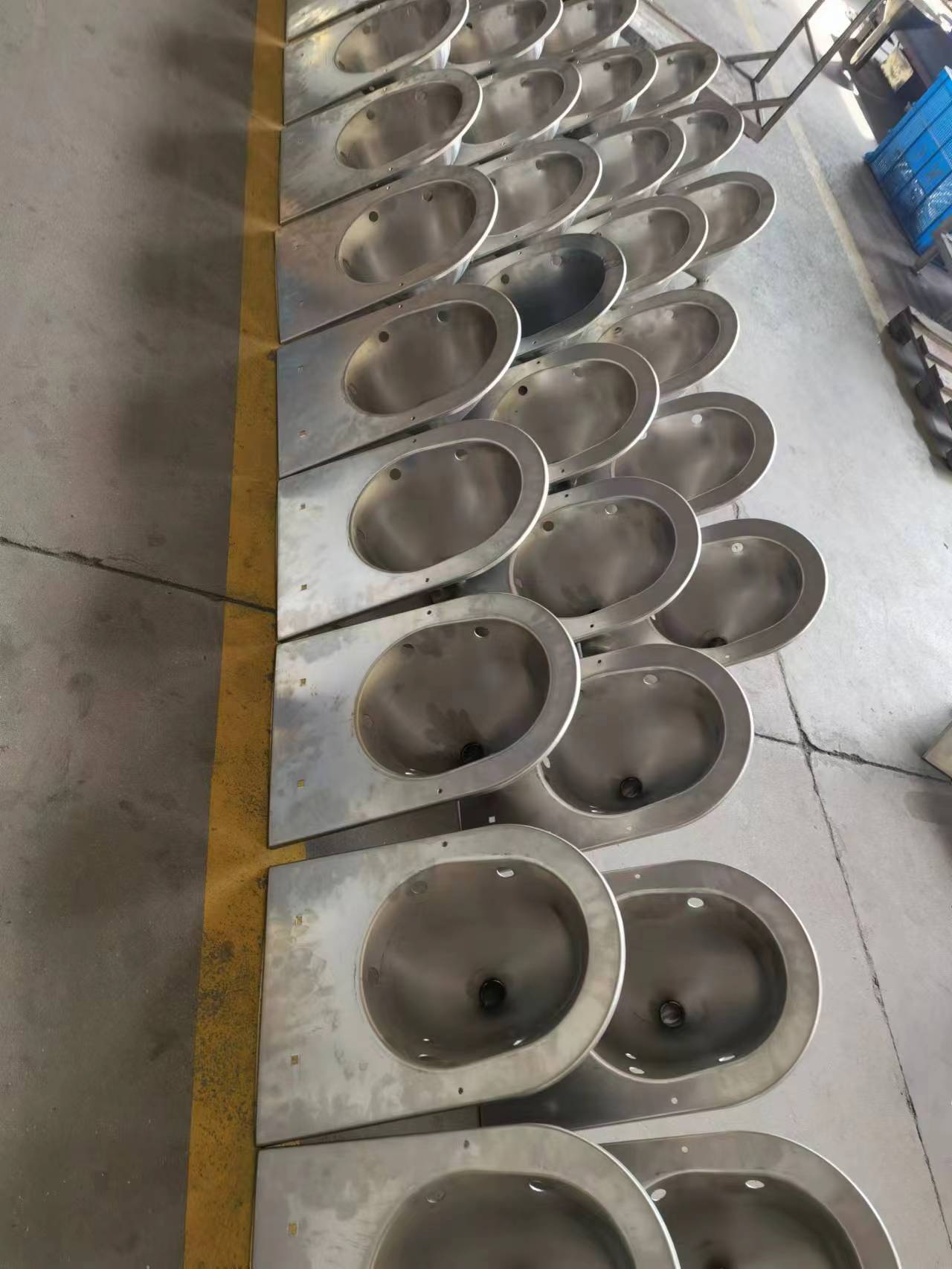
In the aviation industry, the durability, lightweight properties, and hygiene standards of sanitation facilities directly impact flight safety and passenger experience. Traditional composite toilets suffer from aging and bacterial penetration, while seamless stainless steel toilet bowls—made from medical-grade stainless steel—have become the preferred solution for next-generation narrow-body aircraft and business jets. Below are six core advantages of stainless steel bowls tailored to aviation requirements:
1. Ultra-Lightweight Deep-Drawn Structure
• Made from 304/316L aviation-grade stainless steel (0.8-1.2mm thickness), formed via hydraulic deep-drawing, reducing weight by 40% compared to ceramics
• Structural strength complies with FAA 25.853 fire resistance tests and RTCA DO-160G 16g impact standards
• Seamless design eliminates riveting points, achieving a total weight ≤3.2kg (meeting narrow-body aircraft cabin weight limits like A320/B737)
2. Material Stability in Extreme Conditions
▷ Thermal resistance: No deformation or cracking in temperatures ranging from -54°C (cruising altitude) to +85°C (ground exposure)
▷ Chemical corrosion resistance: 7x more resistant to aviation disinfectants (e.g., peracetic acid, quaternary ammonium) than plastics
▷ Anti-siphon design: Built-in vacuum breaker complies with TSO-C75c sanitation standards
3. Aviation-Grade Hygiene Control
- Surface treatment technology:
- Electropolishing achieves surface roughness ≤0.5μm (below the 0.8μm threshold for E. coli adhesion)
- Optional nano-hydrophobic coating with a contact angle >120°, minimizing residue buildup
- Antibacterial validation:
- ISO 22196 certified, with ≥99.6% MRSA inhibition rate
- Seamless structure reduces cleaning time by 55% (per Airbus A350 maintenance data)
4. Modular Rapid Maintenance
• Standardized interfaces enable 15-minute quick replacement (meeting MRO turnaround requirements)
• Non-porous material withstands high-pressure steam sterilization (135°C/3bar), eliminating delamination risks common in composites
• Service life of 50,000 flight cycles (equivalent to 10 years without replacement)
5. Smart System Compatibility
✓ Integrated sensor ports for flow monitoring and usage tracking
✓ Optional low-voltage heating to prevent condensation at high altitudes
✓ Compliant with DO-178C software standards (for smart flushing systems)
6. Cost Efficiency (A320 Fleet Example)
| Metric | Composite Toilet | Stainless Steel Bowl | Improvement |
|---|---|---|---|
| Annual maintenance hours | 14 hrs | 6 hrs | -57% |
| Disinfectant usage | 420ml/use | 150ml/use | -64% |
Industry Applications
• Boeing 787: Business-class toilets with 316L stainless steel + UV disinfection
• Airbus ACJ320: Fleet-wide upgrade reduces weight by 28kg
• Gulfstream G650: Nano-coating provides 48-hour antibacterial efficacy
Selection Guidelines
- Regional aircraft: 304 stainless steel (cost-sensitive)
- International flights: 316L (for high-salinity environments)
- Required certifications:
- EASA CS-25.1309 airworthiness
- ISO 15384 flame resistance
- IATA AHM 800 hygiene compliance
As an aerospace-grade stainless steel manufacturer, we provide:
▶ AMS 5513 compliant stainless steel coils
▶ 5-axis laser cutting (±0.1mm precision)
▶ 24-month warranty (including corrosion coverage)