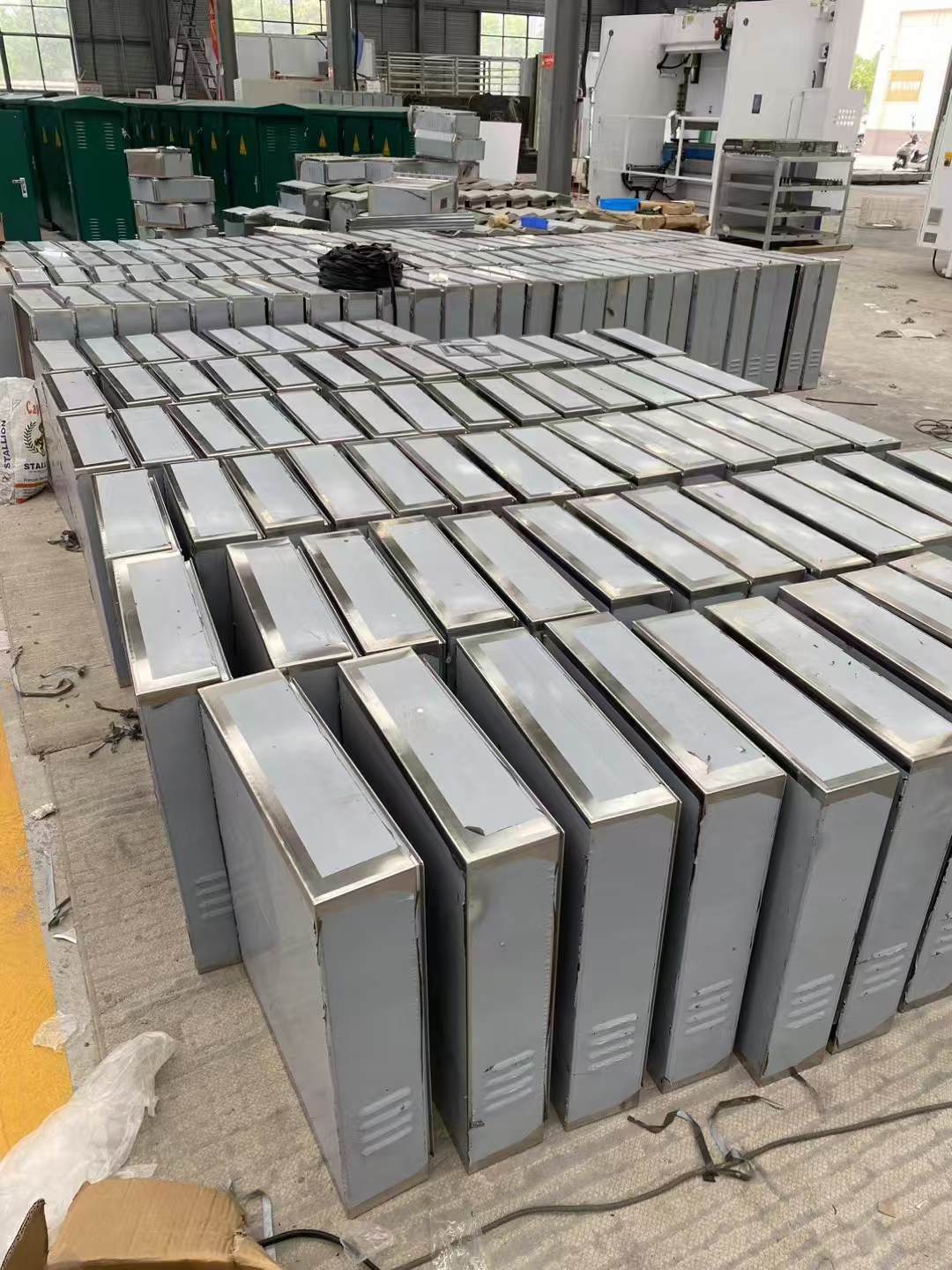
Sheet metal fabrication is a processing method to produce metal parts of various shapes and sizes by cutting, bending, stamping, welding and other processes on sheet metal. The following is the process and precautions for making sheet metal working parts:
Production process of sheet metal processing parts
1. Design and engineering preparation
- Demand analysis: Communicate with customers to clarify the function, size, material and other requirements of the parts.
- Drawing design: use CAD software to draw detailed 2D or 3D drawings, labeling dimensions, tolerances, bending lines and other information.
- Process planning: Determine the machining process (e.g. cutting, bending, welding, etc.) and process sequence according to the drawings.
2. Material preparation
- Material Selection: Select suitable metal plates (e.g. stainless steel, aluminum alloy, cold rolled steel plate, etc.) according to the design requirements.
- Cutting: Use shearing machine or laser cutting machine to cut the metal plate into blanks of required size.
3. Cutting and molding
- Laser cutting: High-precision cutting using a laser cutting machine for parts with complex shapes.
- Punching: Use punching machines and molds to punch, emboss, and form sheet metal.
- CNC Bending: Bending the plate into specific angles and shapes according to the drawing requirements by CNC bending machine.
4. Welding and assembly
- Welding: Welding (e.g. spot welding, argon arc welding, carbon dioxide shielded welding, etc.) of the parts to be connected to ensure a solid structure.
- Assembly: assembling multiple sheet metal parts into a complete product by bolting, riveting or welding.
5. Surface treatment
- Deburring: Sand the edges after cutting and bending to remove burrs and sharp corners.
- Spraying or plating: Surface treatment of parts according to requirements, such as spraying anti-rust paint, zinc plating, anodizing, etc., to improve corrosion resistance and aesthetics.
6. Quality Inspection
- Dimensional testing: Use calipers, micrometers and other tools to test the dimensional accuracy of the parts.
- Performance test: Test the welding strength, surface treatment quality, etc. to ensure compliance with design requirements.
- Appearance inspection: Check the surface for scratches, deformation, color difference and other defects.
7. Packaging and Delivery
- Packing: Use shock-proof and moisture-proof packing materials to pack the finished products to prevent damage during transportation.
- Delivery: deliver to customers on time and provide relevant technical documents and quality reports.
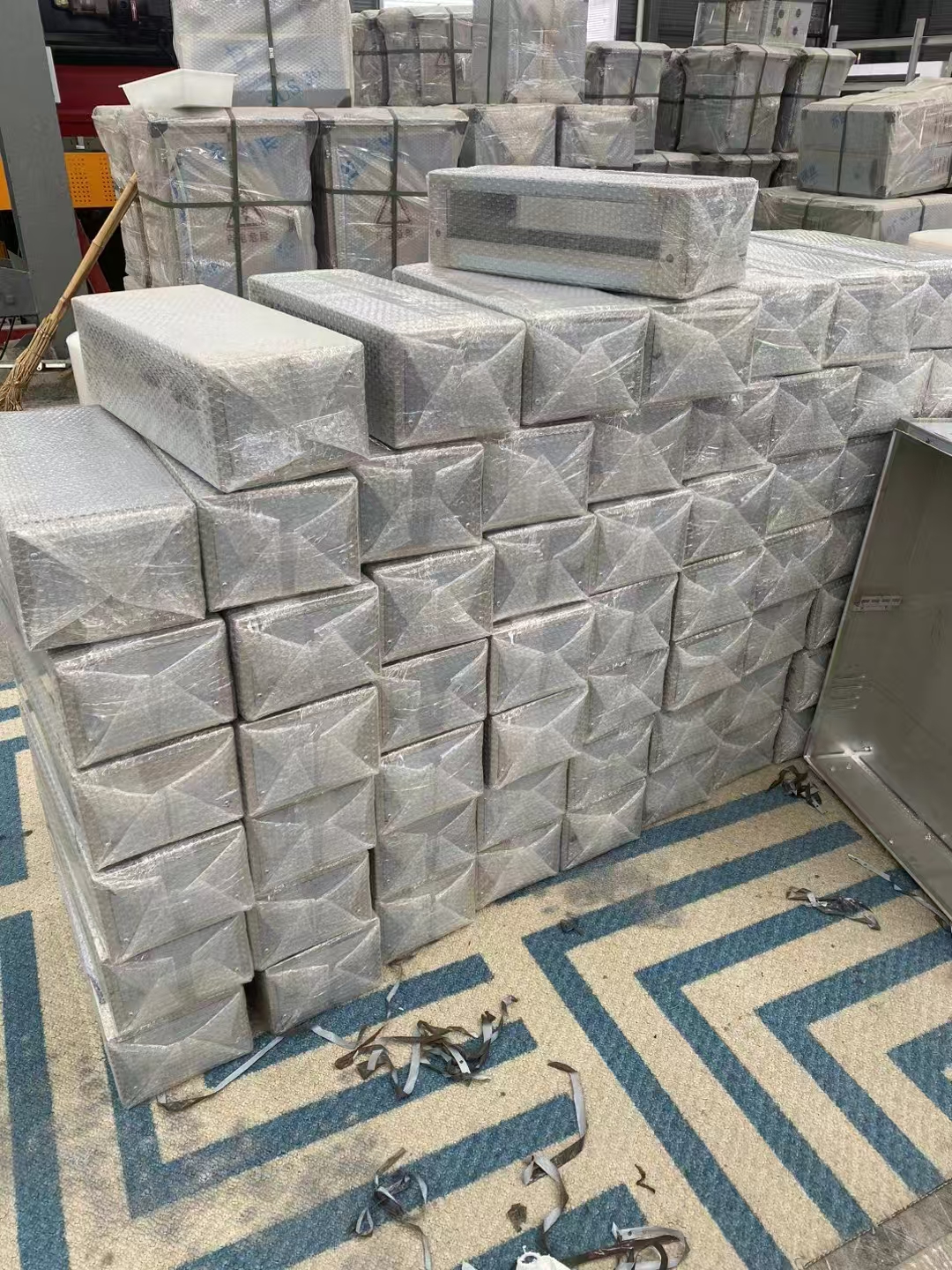
Precautions for sheet metal processing parts
1. Material Selection
- Select appropriate materials (e.g. stainless steel for corrosion resistance, aluminum alloy for light weight) according to the usage environment and function of the parts.
- Ensure that the material quality meets the standard to avoid processing failure due to material problems.
2. Design optimization
- Avoid designing overly complex shapes to reduce processing difficulty and cost.
- Consider bending radius and bending sequence to avoid bending failure due to unreasonable design.
3. Machining precision
- Strictly control the precision of cutting and bending to ensure that the size of the part meets the requirements of the drawing.
- Use high-precision equipment (e.g. laser cutting machine, CNC bending machine) to improve processing quality.
4. Welding quality
- Select appropriate welding methods and parameters to ensure welding strength and quality.
- Clean the welding slag in time after welding to avoid affecting the appearance and performance.
5. Surface treatment
- Select the appropriate surface treatment process (e.g. spraying, plating, anodizing, etc.) according to the use environment of the parts.
- Ensure that the surface treatment is uniform and free of defects such as missed coating, blistering, peeling, etc.
6. Safe operation
- Operators are required to wear protective equipment (e.g. gloves, goggles, etc.) to avoid injury.
- Regularly check the status of the equipment to ensure safe and reliable operation.
7. Quality control
- Strict quality checks are carried out at each processing stage to avoid the flow of substandard products into the next process.
- Establish a perfect quality management system to ensure that the products meet customer requirements.
The production process of sheet-metal processing parts includes many aspects such as design, material preparation, cutting, molding, welding, surface treatment, quality inspection and packaging delivery. In practice, attention needs to be paid to material selection, design optimization, processing accuracy, welding quality, surface treatment and safe operation to ensure high quality and performance of the final product. Through strict quality control and process management, sheet metal processing parts can meet the needs of various industrial fields.