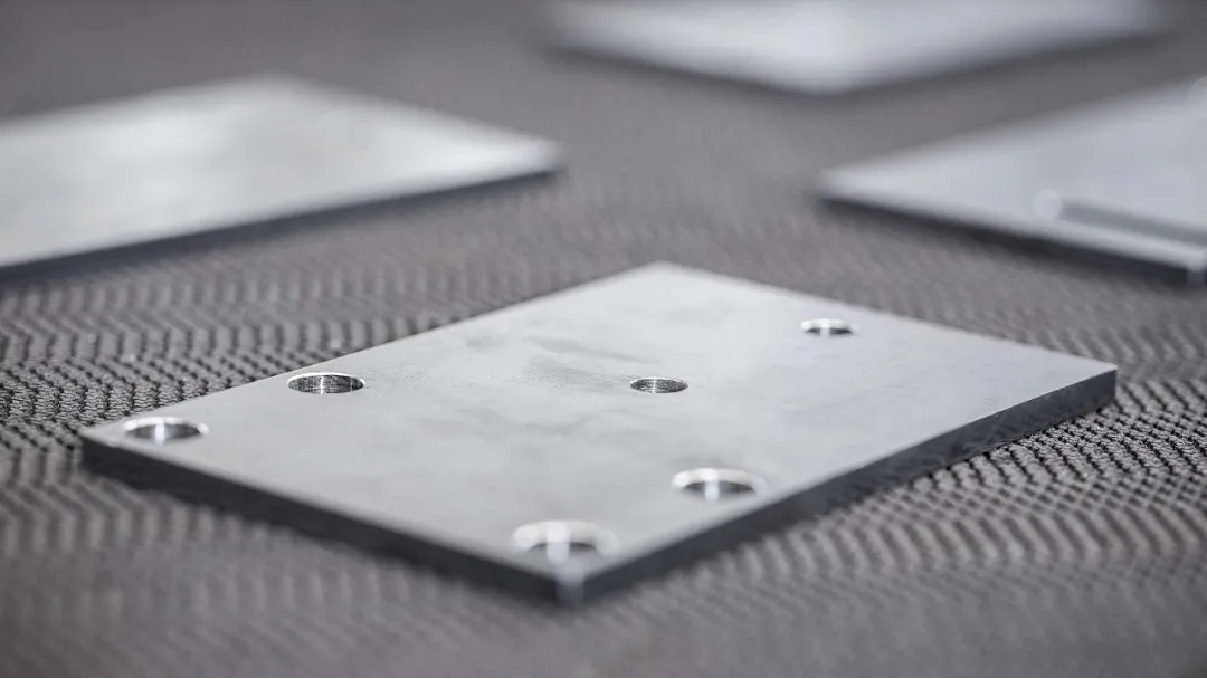
Stainless steels 210, 304 and 316 are different types of stainless steel materials, and their main difference lies in the chemical composition, especially the content of chromium (Cr) and nickel (Ni), and the resulting difference in corrosion resistance and strength.
1. Stainless steel 210 (1Cr12):
- Stainless steel 210 is a martensitic stainless steel with a high carbon and chromium content, usually between 0.9% and 1.25%.
- It has relatively low corrosion resistance but high hardness, which makes it suitable for the manufacture of some tools and parts that require high strength and some corrosion resistance.
- Due to the high carbon content, its welding performance is poor, and it is easy to crack in the heat treatment process.
2. 304 stainless steel:
- 304 stainless steel is an austenitic stainless steel containing about 18% chromium and 8% nickel.
- It has good corrosion resistance, especially in the resistance to intergranular corrosion, so it is widely used in the food industry, medical equipment, building decoration and other fields.
- 304 stainless steel has better strength and heat resistance, and has good hot and cold processing performance and welding performance.
3. 316 stainless steel:
- 316 stainless steel is also an austenitic stainless steel, similar to 304, but contains higher nickel content (about 10%) and molybdenum (Mo) elements (about 2%).
- The addition of molybdenum significantly improves the corrosion resistance of stainless steel, especially for seawater, salt water environment, and high temperature environment.
- Therefore, 316 stainless steel is commonly used in marine environments, chemical industry, pharmaceutical equipment and other areas that require higher corrosion resistance.
In general, the corrosion resistance of 316 stainless steel is better than 304 stainless steel, while the corrosion resistance of 304 stainless steel is better than 210 stainless steel. When choosing materials, users need to decide which material to use according to the specific application environment and requirements. At the same time, because 316 stainless steel contains more alloying elements, its cost is relatively high.