

Whether in the automotive manufacturing, household appliances, construction machinery, or medical, electronics, aerospace and other industries, sheet metal products can be found everywhere. In this article, we will organize seven key elements about sheet metal.
1. Definition
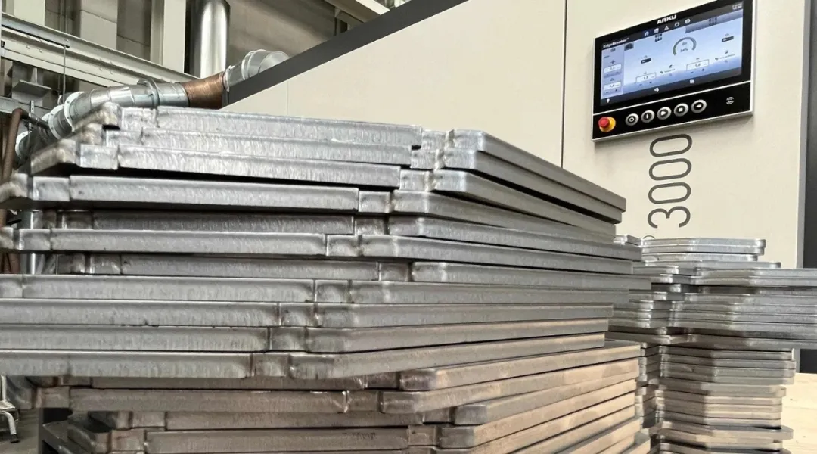
What is sheet metal? It does not have a clear definition. Usually, it is understood as a flat piece of metal whose width is significantly greater than its thickness. Thicknesses less than 3 millimeters are referred to as sheet metal; thicknesses of 3 millimeters or more are referred to as thick sheet metal. Another important distinction lies in the manufacturing process, which can be categorized as cold-rolled or hot-rolled sheet:
Hot rolling is usually applied to thicker plates. Compared with cold rolling, hot rolled plate has a rougher surface with a rolled skin. If this rolled skin is retained, the sheet does not need to be oiled to prevent corrosion.
Cold rolled is usually used for thinner plates. Its tolerances are smaller and its surface finer. Steel plates, in particular, are pickled and oiled to prevent corrosion before they are shipped from the steel mill to the sheet metal fabrication shop.
In addition, there is a wide variety of material types, sizes and thicknesses. From the composition of materials to manufacturing and processing to assembly and storage, every aspect affects the performance and quality of sheet metal.
2. Shape
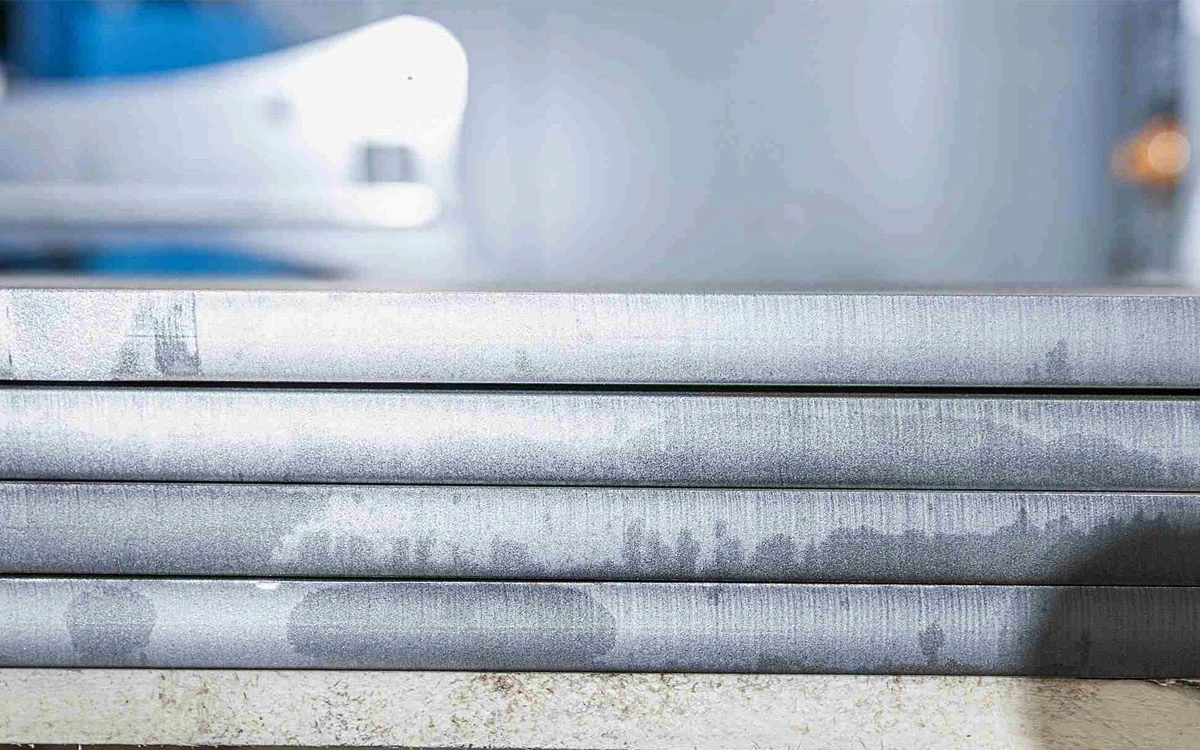
When sheet metal is delivered for processing, it is usually available in two formats: coil and plate.
Coils are coiled strips of metal that are usually up to 15 millimeters thick. Coils can weigh 20-30 tons or more coming out of the mill. Coils allow large quantities of material to be transported relatively easily and safely in a tightly wound form. For further processing, however, it must first be unwound, which requires an unwinder. Since the coil is curved, it must also be leveled to eliminate the curvature. The coil is unrolled so that it can be cut to the exact length required.
A sheet is a thin rectangular piece of material cut from a coil and of a certain length. To simplify the transaction, these sheets are usually available in standardized sizes, commonly: small sizes of 1000mm x 2000mm, medium sizes of 1250mm x 2500mm, large sizes of 1500mm x 3000mm, and even oversized sheets of 2000mm x 4000mm as well as 2000mm x 6000mm.
3. Material
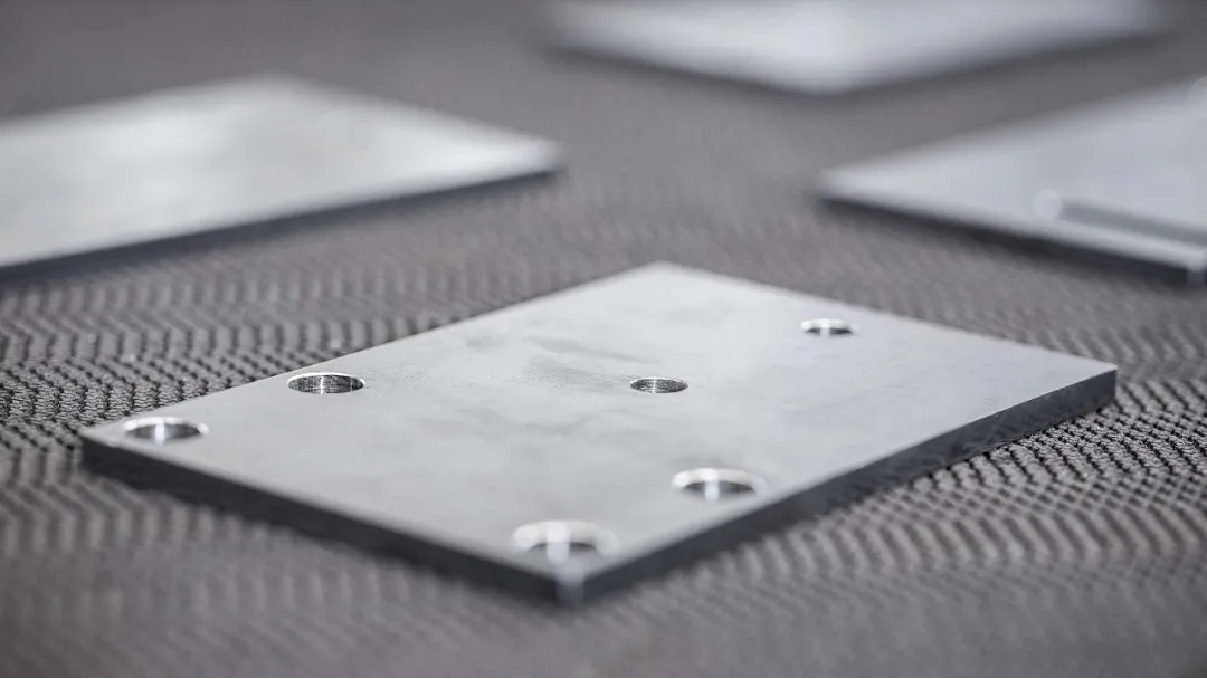
Sheets can be made from almost any metal, depending on its formability. From precious metals such as gold and silver to a variety of steel, stainless steel, aluminum, copper and other common metal materials, plates can be made. In order to more precisely tailor the properties of the sheet, it is common to add various metal elements to the base material, a composite material known as an alloy. This gives the sheet a higher tensile strength and is less susceptible to corrosion.
4. Production
Before the industrial revolution, sheet metal could only be hammered out of castings by hand. This was very time-consuming and therefore sheet metal was expensive at that time. Today, instead, it is rolled from cast steel blocks (called slabs). These slabs are rolled into sheets of the required thickness in steel mills or rolling mills using reversible or continuous rolling. The rolling temperature is higher than the recrystallization temperature of the metal, and the process can roll plates as thin as 0.8 mm.
Cold rolling is not used for all plates because it requires greater force than hot rolling. The cold rolling process is only used to produce thin plates. Steel sheet can be rolled to 0.1 mm thick, while aluminum sheet can be rolled as thin as 0.0065 mm. In addition, cold rolling has smaller tolerances than hot rolling.
5. Tolerances and defects
When processing thin sheet metal, any machining process will result in mechanical stress or heat generation, which in turn will cause easy deformation of the sheet metal and consequently internal stresses and unevenness. the DIN EN 10029 standard specifies flatness tolerances. For example, a workpiece with a thickness of 20 mm must have a minimum thickness of 19.4 mm and a maximum thickness of 21.3 mm. Other flatness defects include various kinds of waves and warping.
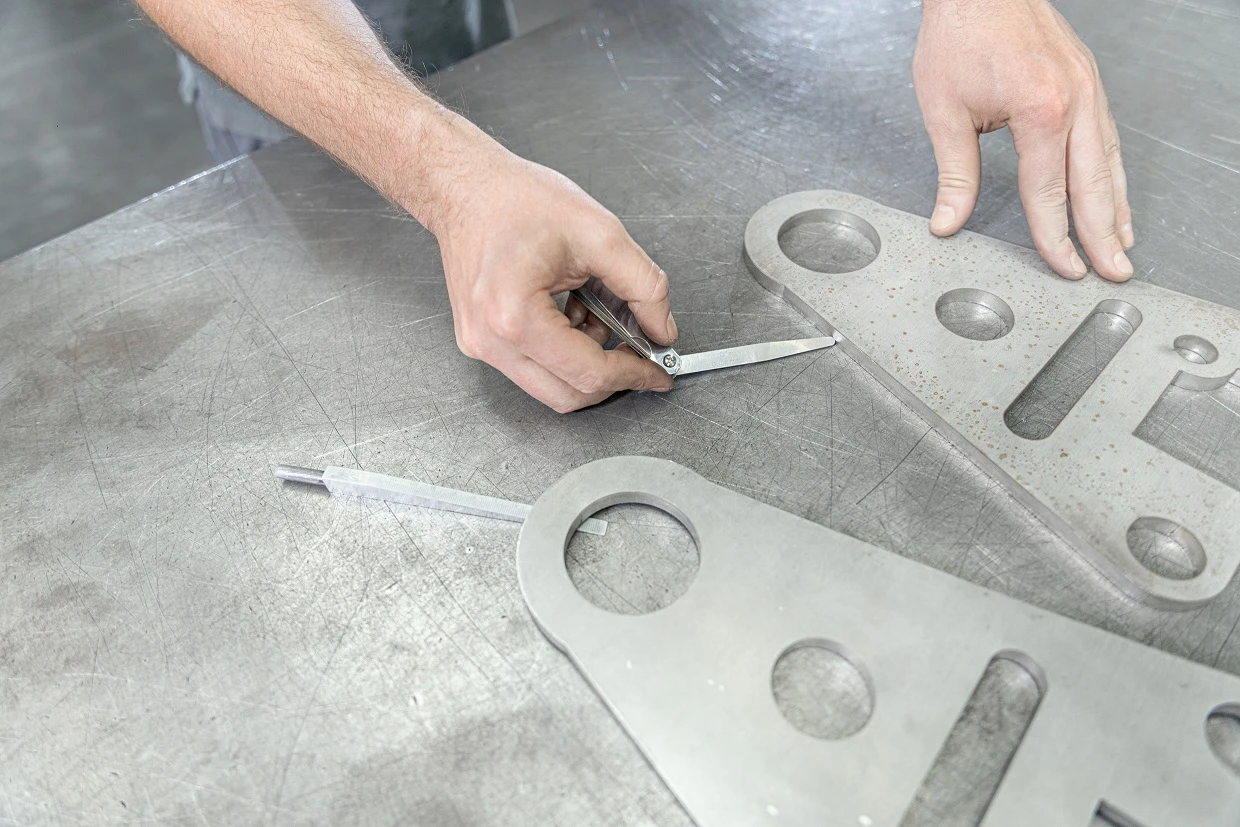
However, for all downstream manufacturing processes of machining, it is important that the sheet metal is virtually stress-free and as flat as possible. Due to the large variety of sheet metal and the various manufacturing and fabrication processes often make sheet metal behavior during processing unpredictable. Therefore, it is necessary to level and deburr sheet metal.