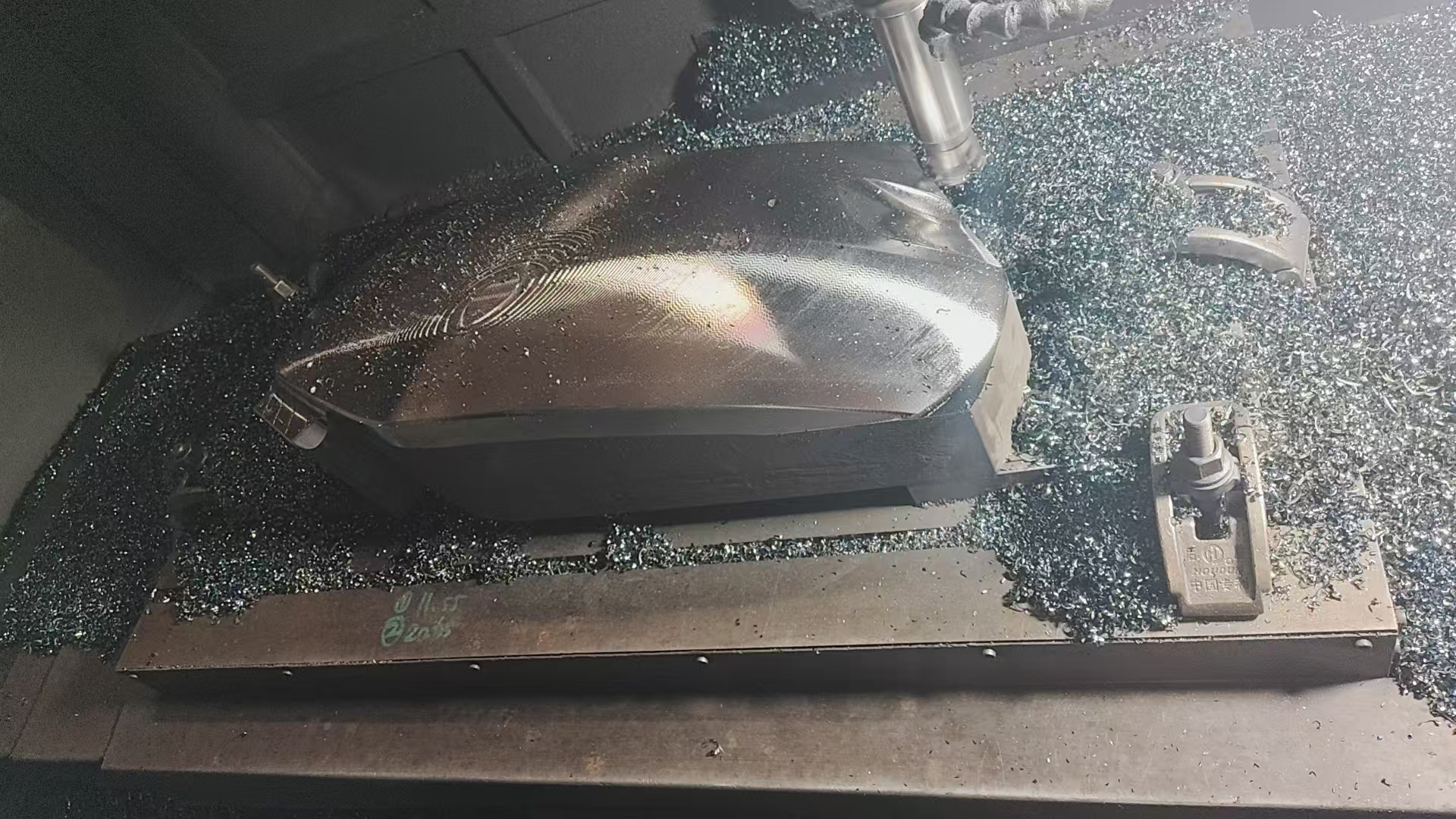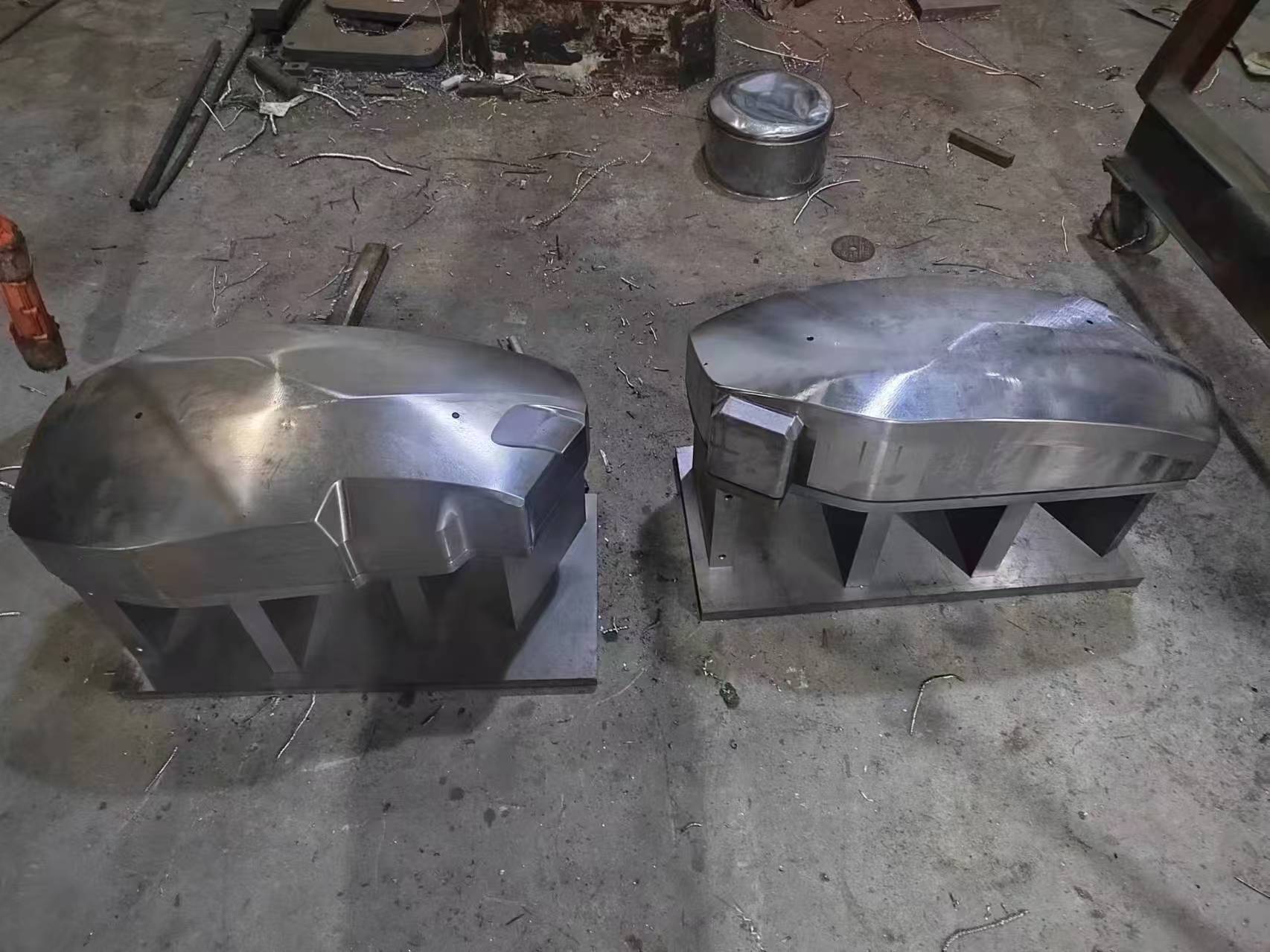
Metal stamping is a common metal fabrication method, which applies pressure to metal plates or strips by using stamping dies on a press to produce plastic deformation, thus achieving precise metal forming. This process is widely used in automotive, electronics, electrical appliances, and hardware industries due to its high production efficiency, excellent material utilization, and consistent product quality. It is a key technical means for mass-producing deep drawn and other sheet metal fabrication components.
Understanding these processes is critical for successful metal stamping jobs and tooling design. Knowledge of material properties and die construction ensures efficient die design and maintenance. In a competitive stamping company, the goal is to produce top-quality products at the lowest cost. Optimized processes, proper stamping dies design, and effective maintenance are essential. Below are some fundamental metal stamping processes, often used individually or combined. Remember: the core purpose is to add value to the product.
Stamping Process
Blanking is a basic metal stamping process where elastic deformation and tearing (from plastic deformation beyond the yield point) occur sequentially. Tensile and compressive stresses arise simultaneously during blanking, sometimes accompanied by slight bending of the scrap.
Bending and Forming
In free bending, tensile and compressive deformations occur in the material. Residual stresses cause springback when the force is removed. To minimize springback:
- Apply strong pressure or use compression grooving to induce plastic deformation.
- Optimize product design and process via simulation to predict and compensate for springback.
- Adjust die height for free bending.
Sheet metal fabrication faces springback challenges with high-yield-strength materials. Thicker sheets reduce springback because more material undergoes plastic deformation. Complex-shaped parts (e.g., U-shaped or deep drawing components) often require additional shaping steps to control rebound.
Process Optimization
- Crimping Force: Adjusts material flow and stress distribution. Increased force improves stretching at sidewalls and R-corners, reducing rebound.
- Stretching Bars: Widely used in modern progressive stamping dies, they redirect material flow and distribute feed resistance, enhancing metal forming and reducing rebound in critical areas.