1. Metal Forming and Deep Drawing Process
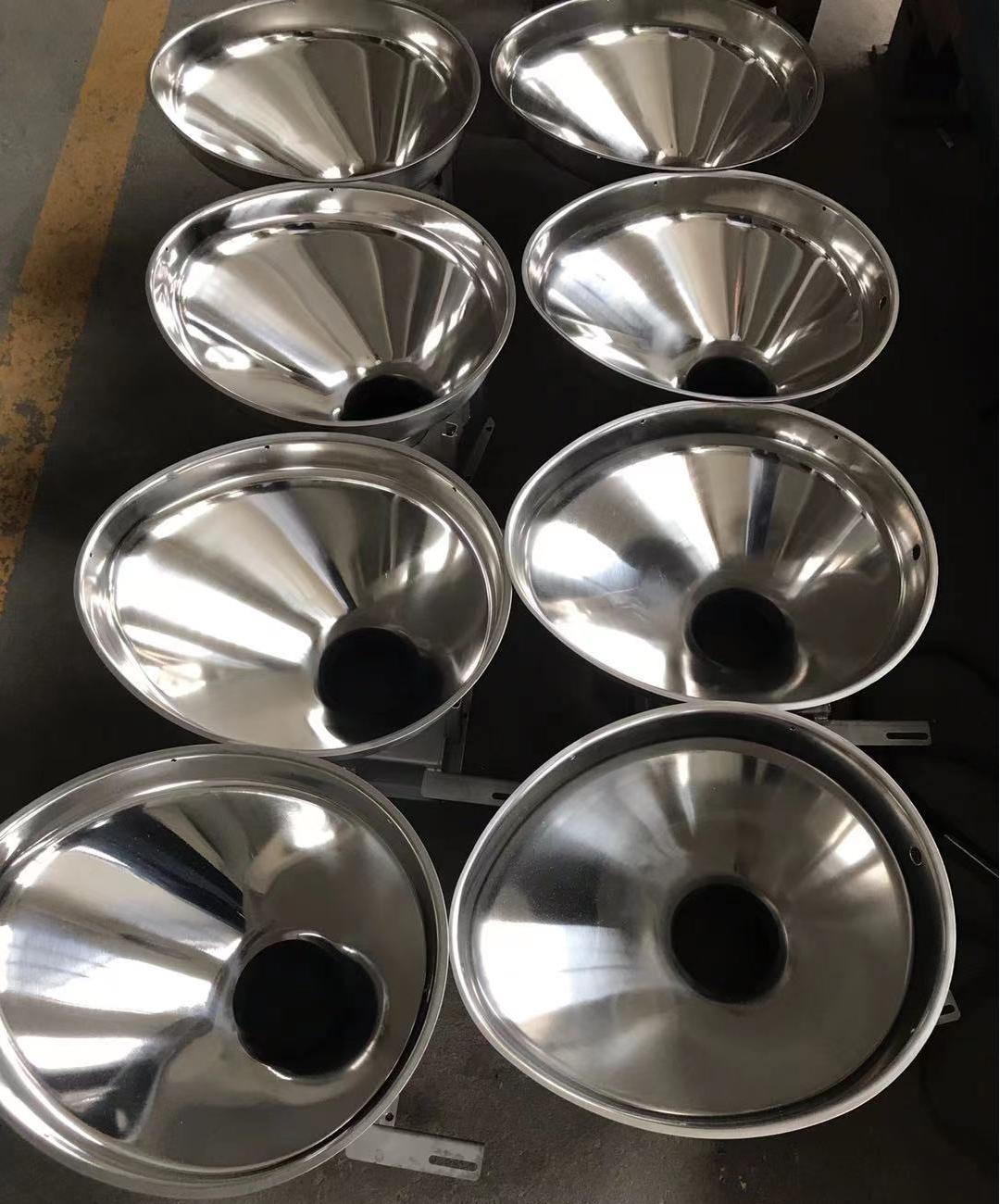
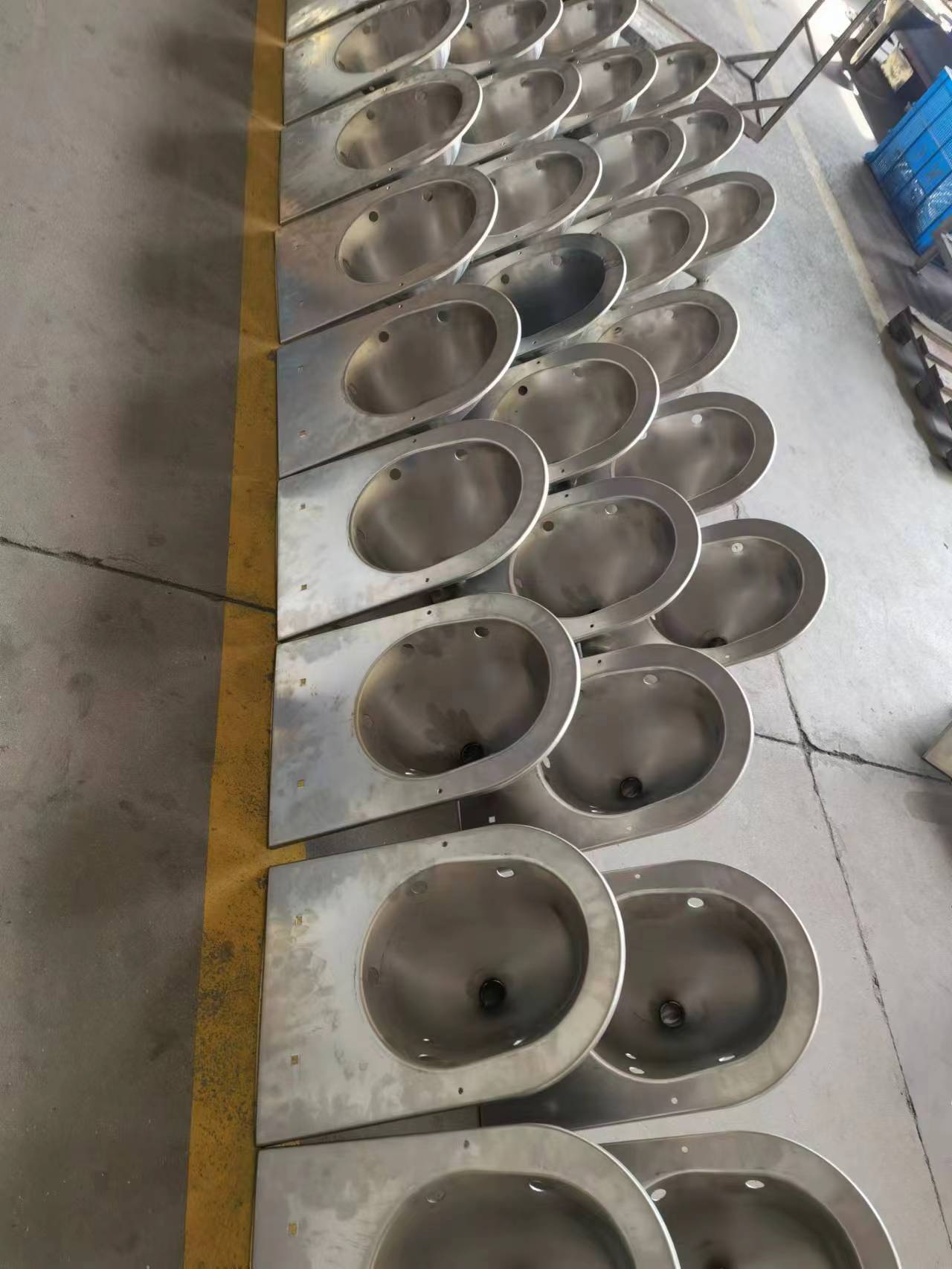
The shell of a stainless steel toilet is typically shaped using deep drawing technology. This process involves stretching a metal sheet under high pressure within a mold to form a complex three-dimensional structure, ensuring both structural strength and lightweight design. However, during deep drawing, microscopic defects (such as scratches or stress concentrations) may appear on the metal surface, and changes in the internal grain structure can reduce corrosion resistance. Therefore, the formed components must undergo passivation to repair surface imperfections.
2. Passivation: Enhancing Stainless Steel’s Protective Barrier
Passivation is a chemical treatment (using nitric or citric acid solutions) that removes free iron ions from the stainless steel surface and forms a dense oxide layer. This step significantly improves the material's corrosion resistance, making it suitable for aircraft toilets exposed to humid environments and acidic cleaning agents. The passivated surface becomes smoother, reducing bacterial adhesion and meeting aviation hygiene standards.
3. Teflon Coating: Adding Superior Surface Properties
To further enhance performance, many high-end aircraft toilets are coated with Teflon (polytetrafluoroethylene, PTFE). This coating offers the following advantages:
- Non-stick properties: Minimizes residue buildup, simplifying cleaning.
- Wear resistance: Protects the deep drawn surface from mechanical abrasion.
- Chemical inertness: Resists corrosion from cleaning agents and waste.
Teflon coating is typically applied after passivation to ensure strong adhesion to the substrate.
Conclusion
From deep drawing in metal forming to passivation for surface repair, and finally Teflon coating for multifunctional performance, the manufacturing of stainless steel aircraft toilets combines materials science and engineering expertise. These processes not only extend product lifespan but also ensure passenger comfort and safety, making them a prime example of "small components, big technology" in the aviation industry.