

In recent years, as the market demand for precision sheet metal parts has increased, precision sheet metal processing has also begun to enter the center stage of the sheet metal industry.
As a key production process in the machinery manufacturing industry, precision sheet metal parts are widely used in rail transportation equipment, precision machine tools, automobile manufacturing, medical equipment, home appliances, etc., which is an important manifestation of China's smart manufacturing. So what is the difference between precision sheet metal processing and ordinary sheet metal processing?
01Difference between Precision Sheet Metal Processing and Ordinary Sheet Metal Processing
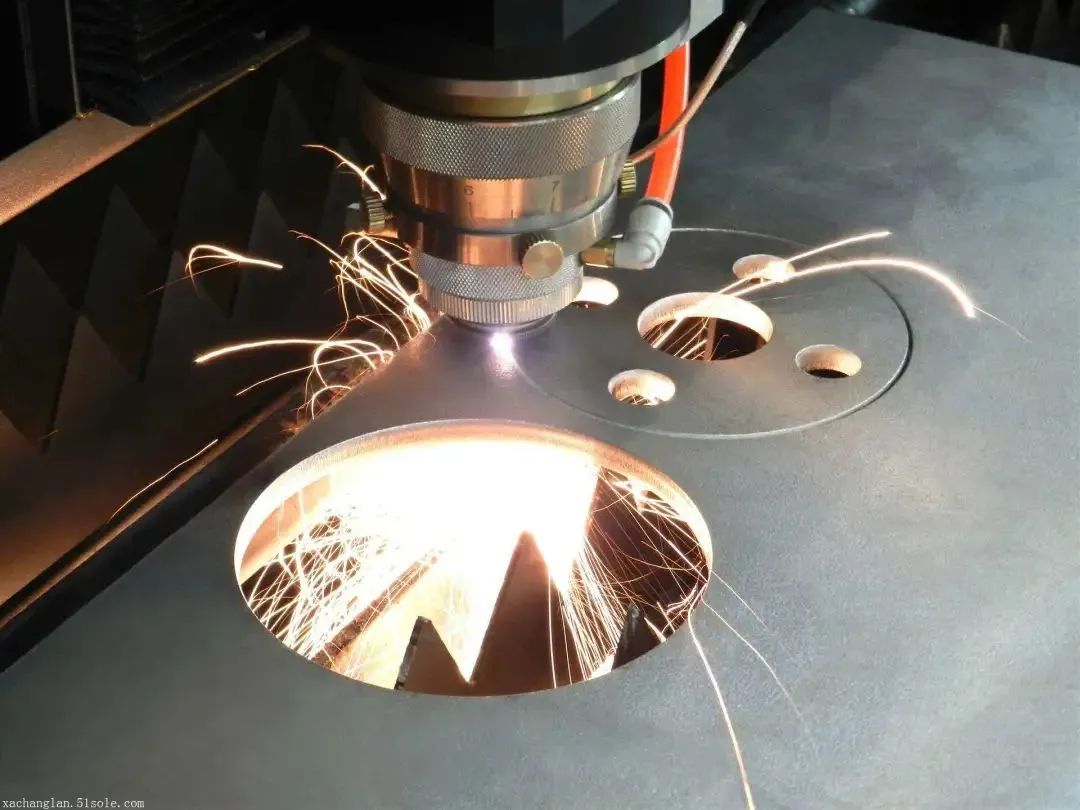
From the perspective of development history, precision sheet metal is actually an advanced version of sheet metal processing, with little change in the process, the biggest difference is that precision sheet metal processing will reduce the precision tolerance range to less than 0.2 millimeters, while the precision of ordinary sheet metal processing is generally between 0.2~1 millimeter.
Tolerance range of high precision sheet metal processing: Bend: 0-+/-0.1mm; CNC processing: 0-+/-0.1mm; laser cutting 0-+/-0.1mm.
The uncoiling and leveling accuracy of precision sheet metal processing can reach 0.3 to 0.5mm, so the sheet metal parts produced by laser/numerical punching/waterjet cutting and CNC bending can usually meet the dimensional accuracy requirements.
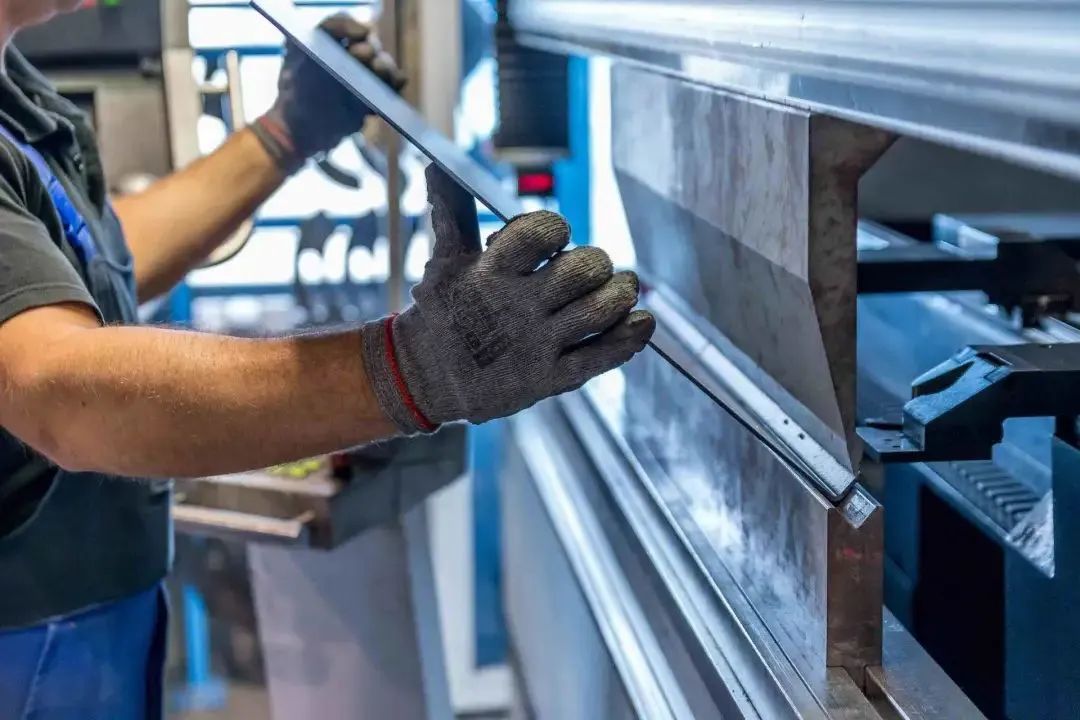
Sheet metal processing technology has gone through three stages: from the use of compasses, scissors, wooden square and other tools for marking processing, to parts processing labor-saving, uniform surface quality after processing hydraulic shears and bending machines, and then to today's CNC processing equipment, the bending angle of the processed parts can be as accurate as 0.1 °, the size of the precise to 0.1mm or even higher, no need to use the trapezoidal screws or screw threads as before! A little bit or even a few times to adjust the positioning, thus saving a lot of time and materials for sheet metal processing parts manufacturing and production.
02Precision Sheet Metal Processing
Precision sheet metal adopts high-precision CNC sheet metal equipment, which can realize complex processes that are difficult to achieve with traditional sheet metal processing. Moreover, precision sheet metal processing is equally suitable for small and large batch products, and is characterized by a short processing cycle, good uniformity, high processing accuracy, high degree of automation, high speed, simple and convenient operation, and high efficiency.
03Features of Precision Sheet Metal Processing
1、Power density of sheet metal processing: after the workpiece absorbs sheet metal processing, the temperature rises rapidly and melts or evaporates, even if the materials with high melting point, high hardness and brittleness can be processed with precision sheet metal processing;.
2、Sheet metal processing is convenient and flexible: robots can be used for precision sheet metal processing in harsh environments or places that are difficult for others to access.
3. Sheet metal processing is easy to control: it is easy to combine with precision machinery, precision measurement technology and electronic computers to realize high processing automation and achieve high processing accuracy.
Surface treatment methods for precision sheet metal parts processing: galvanization, chrome plating, painting, electrostatic powder coating.
Most of the precision sheet metal parts seen on the market have textures on their surfaces, which are obtained after surface treatment, and can effectively protect the sheet metal parts from external factors, corrosion, denaturation and other effects.