

Steel and aluminum are two metal materials widely used in industry and construction, and they differ significantly in density, strength, corrosion resistance, and processing properties.
In comparison, steel has advantages in terms of strength and cost, and is suitable for structures that require high load-bearing capacity. Aluminum, on the other hand, is known for its light weight, high corrosion resistance, and good machinability, making it suitable for aerospace and automotive lightweight designs.
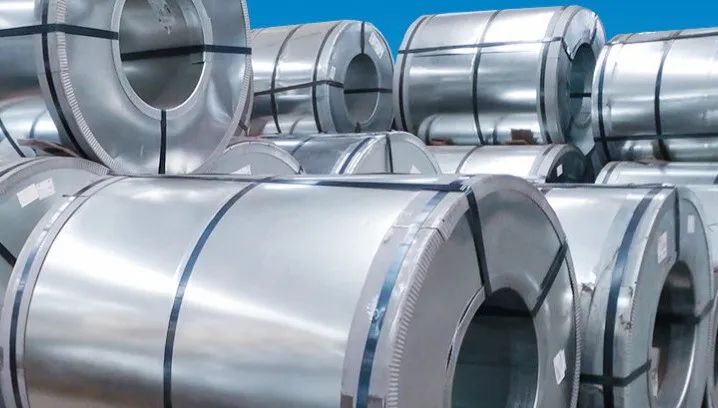
What are the differences in corrosion resistance between steel and aluminum?
Steel and aluminum differ significantly in terms of corrosion resistance. Stainless steel, a specialized steel alloy, contains a high percentage of chromium, which makes it resistant to corrosion in a wide range of environments, including air, steam, water, and certain acids, alkalis, and salts. The corrosion resistance of stainless steel depends on its specific alloy composition, particularly the chromium content, which forms a stable film of chromium oxide on the surface of the steel, protecting the metal from further corrosion.
In contrast, aluminum itself, while capable of naturally forming a thin but strong protective film of aluminum oxide against corrosion in dry environments, is less resistant to corrosion in wet or corrosive chemical containing environments. The corrosion resistance of aluminum alloy can be enhanced by adding other elements such as copper, silicon, magnesium, zinc, etc., and its corrosion resistance can be further enhanced by surface treatment techniques such as anodizing.
Overall, stainless steel is usually superior to aluminum alloys in terms of corrosion resistance, especially in harsh environmental conditions. However, the lightweight and machinability of aluminum alloys makes them still the preferred material for certain applications. When selecting a material, the decision on which metal to use needs to be based on the specific application environment and requirements.
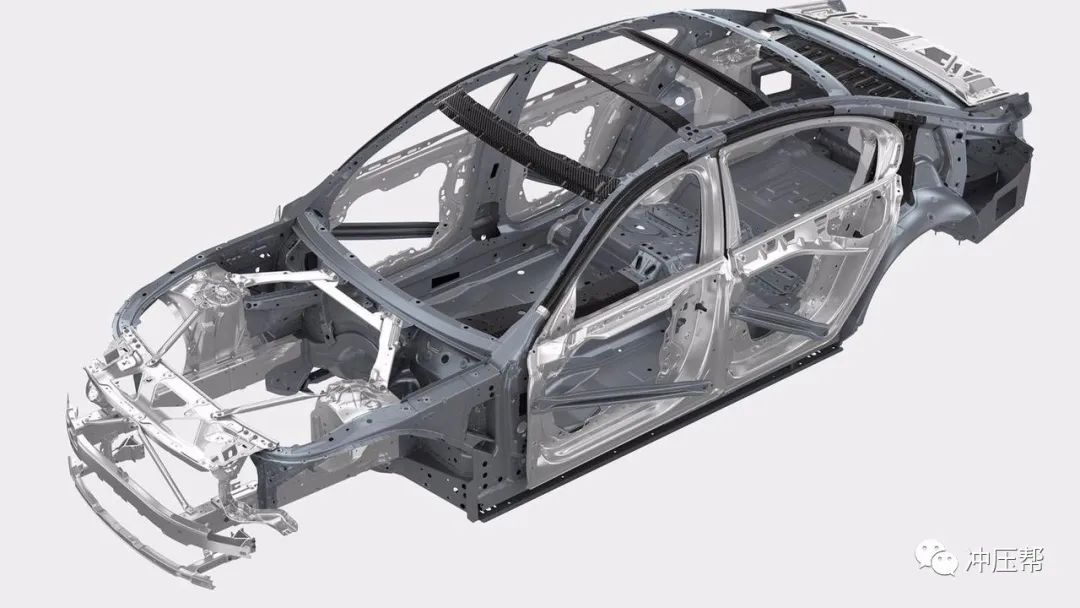
Why does steel require surface treatment and aluminum does not?
Steel often requires a surface treatment, mainly because it is prone to rust and a surface treatment improves its corrosion resistance, abrasion resistance and appearance. For example, treatments such as hot-dipped galvanizing, painting, and polishing can form a protective film on the surface of steel, extending its life and improving its aesthetics. In addition, surface treatments enhance the adhesion of the coating to the surface of the object, create the appropriate surface roughness, and enhance the compatibility of the coating with the substrate.
In contrast, the naturally occurring oxide film on aluminum and its alloys provides a degree of protection that makes it more resistant to corrosion in many environments. Aluminum surface treatments are usually motivated by application-specific needs, such as improved wear resistance, hardness, or specific surface properties, rather than primarily to prevent corrosion, as is the case with steel. As a result, surface treatments for aluminum are less common and less urgent than for steel.