

Stamping dies in the work to have high enough strength and toughness, its surface properties on the work performance and service life is critical. These surface properties refer to: wear resistance, corrosion resistance, coefficient of friction, fatigue properties and so on. Improvement of these properties, relying solely on the mold matrix material improvement and enhancement is very limited, but also is not economical, and through the mold surface treatment technology, can improve the mold surface quality, extend the life of the mold.
Mold plating technology is a way to improve the surface hardness of the mold, reduce mold surface wear and improve the service life and accuracy of the mold. Electroplating can reduce the production of part pitting, part straining, part cracking, dezincification of galvanized steel and other problems. This method is very widely used on the surface treatment of stamping dies.
Preparation work before die plating
In order to ensure the quality of plating, molds in the plating before the inspection and preparation work, first of all, the mold polishing treatment, the general use of tools include:
(1) sandpaper: for coarse polishing, remove surface burrs and scratches.
(2) oil stone: used for fine polishing, to further improve the surface roughness.
(3) Polishing cloth: used to polish the details and edges of the surface.
(4) Polishing liquid: used to moisten the polishing cloth and improve the polishing effect.
(5) Polishing machine: used to drive the polishing tool to improve the polishing efficiency.
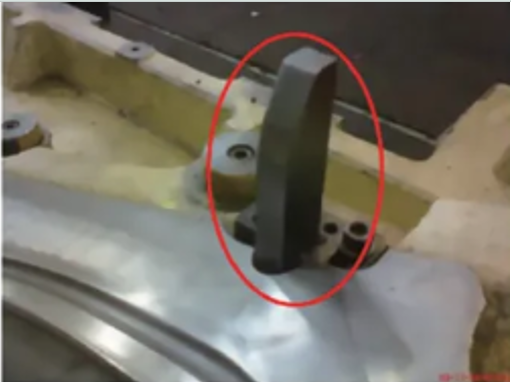
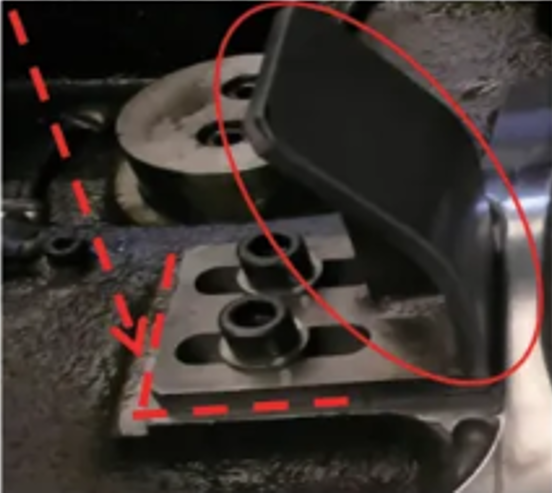
Different mold materials and shapes require different polishing tools and methods to ensure that the mold profile is clean before plating. In addition, the locator needs to be removed in advance in order to avoid damage to the mold during transfer and plating. The unloading top bar of some molds should also be removed to prevent plating solution from remaining in the holes.
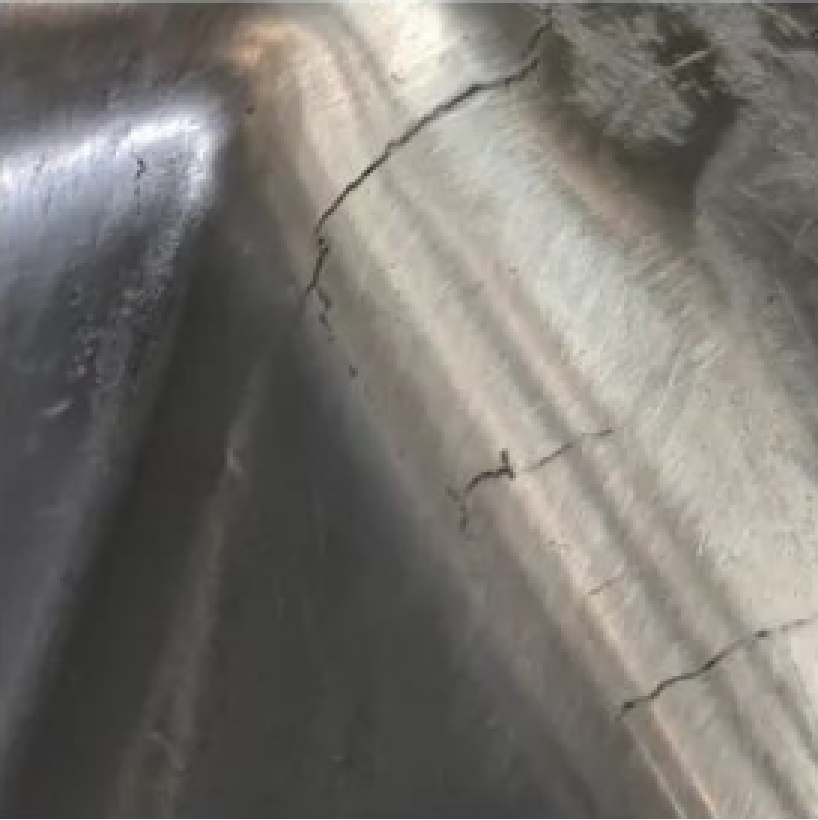
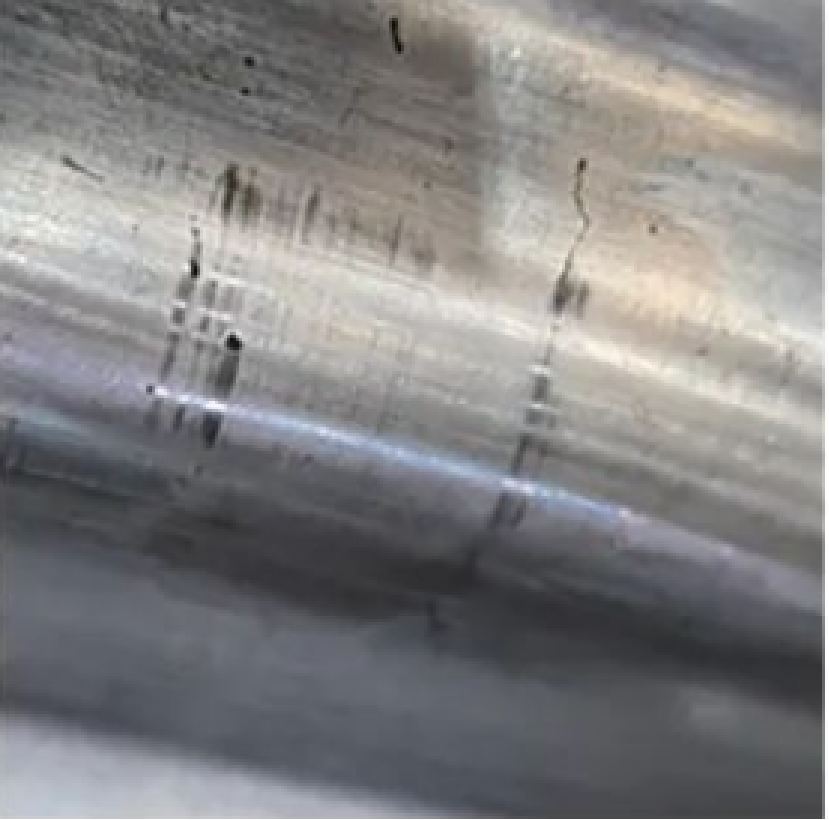
Check the surface of the mold before plating to ensure that the surface is smooth and flat without defects, if there are cracks, sand holes, air holes and other defects, the defects of the surfacing and grinding leveling treatment to ensure that the mold before plating the surface quality is not a problem!
Plating process
In order to ensure the quality of plating, should be strictly in accordance with the following procedures:
(1) mold surface inspection, confirm the mold surface state, plating area measurement;
(2) mold cleaning, remove mold surface oil, debris;
(3) Mold surface with grinding tools for grinding, grinding, removal of mold surface oxide layer;
(4) Isolating and masking the places that do not need plating;
(5) Mold chrome plating surface for anode design, the process is a more complex, time-consuming work, but also more about experience and skills, directly affecting the quality of chrome plating;
(6) The mold is placed on the bracket, and the mold and bracket are placed together inside the plating tank for plating, and the plating temperature is about 55℃. According to the area of the mold plating, the mold material is different, whether the mold has been surface burnishing, set different current parameters, need experience and skill;
(7) After plating, remove the mold, anode, fixture disintegration;
(8) Put the mold into the neutralization tank (alkaline liquid);
(9) Remove the mold, use high-pressure water to clean the mold, and use compressed air to blow dry the liquid left on the mold;
(10) After the completion of the mold surface grinding, remove the mold plating surface burrs, so that the mold plating surface is flat and smooth. Sandpaper first with 320, and then with 800 sandpaper for grinding, and finally check whether the surface quality of the chrome plating layer is qualified.
Production verification after mold plating
After the plating work of the working mold is completed, the following verification work should be done before production:
Mold plating quality check
(1) Mold plating overall quality inspection: attention to the patch welding over the mold or stress relief is not sufficient for the new casting mold in the plating process may produce cracks, or the original cracks to expand and other defects, as well as mold air holes, sand holes, cracks, and other factors that produce problems.
(2) mold plating thickness detection: mold plating process by the lead wire placement, mold surface roughness and other factors, there is uneven plating thickness, should be more points to detect the mold away from the R angle and mold profile.
(3) mold plating surface roughness detection: check the stretching mold concave mold, convex model surface plating surface roughness shall not be higher than Ra4μm, should focus on the profile walking R angle and other key parts, to reduce the friction of the sheet walking process, reduce plating wear.
Overall quality inspection of the mold
(1) Mold outside the surface of the paint quality check: check whether the paint color is correct, whether the paint is completely solidified, the paint surface should not be peeling, granular condensation and so on.
(2) mold plating liquid residue inspection and cleaning: mold back cavity, exhaust holes are easy to residual plating liquid, plating liquid is highly corrosive, should ensure that the plating liquid on the mold clean before production.
(3) mold parts mounting surface inspection and cleaning: check the mold parts on the safety surface without paint foreign matter, to ensure that the positional accuracy of the mold parts back to the installation does not change.
Parts production quality verification
(1) stretch forming mold: in order to control the production variation point, for stretch forming mold before and after plating, plate performance parameters (focusing on the yield strength of the plate) should be in the normal range, it is recommended to retain the mold plating before the cold die production of stretching parts, used for plating with the cold die production of stretching parts after the amount of plate inflow comparison, such as the emergence of problems can be used as a basis for determining the quality of the variation. In addition to comparing the inflow of cold mold drawn parts before and after plating, the parts of the type surface and the R angle of the material to be checked for quality.
(2) flanging shaping knife block: plating before and after parts flanging shaping quality inspection, including flanging gap, plastic pressure wound inspection and parts flanging rectification quality inspection.
Mold plating process maintenance and maintenance of the chromium layer
Mold chrome layer maintenance precautions
(1) The plating layer should not be bumped or crushed;
(2) The surface of plating layer must not be coated with corrosive substances;
(3) The dust in the stamping workshop has a great influence on the chromium layer, and it should be prohibited to carry out fire and grinding operations near the mold storage area, and the mold should be checked and confirmed before closing;
(4) Plating after parts forming process folds will shorten the life of the plating, should reduce the problem of parts folds, focus on and timely adjustment.
Routine maintenance
(1) Establish the plating life account of each model of mold concave mold, convex mold, crimping ring, flanging cutter block, shaping cutter block, according to the scheduling situation by monthly or quarterly update of the account, as one of the bases of the mold plating plan.
(2) mold plating life cycle, according to the depth of the mold stretching mold will be divided into deep stretching molds and shallow stretching molds, and combined with the workshop mold PM plan, the establishment of mold plating layer inspection plan, the use of plating thickness gauge multi-point detection of the mold plating thickness and record analysis.
(3) daily drawing model surface maintenance should be through the maintenance personnel visual, touch inspection mold surface, and combined with the surface quality of the parts performance, inspection, cleaning-based, supplemented by 800 # sandpaper polishing maintenance, in principle, do not use the oil stone polishing, in order to reduce long-term maintenance and polishing of the plating layer loss.
(4) mold type surface maintenance is completed, the use of roughness meter multi-point detection of surface roughness, to ensure that the surface roughness meets the standard requirements, to extend the life of the plating layer.
(5) After the end of the production of the mold stretching groove of foreign objects, impurities, waste knife iron filings, cutting edge iron filings cleaned up.