
Any oxygen cutting process, whether flame or laser, leaves an oxidized layer on the cutting edge. The oxidized layer has properties that are different from those of the part's own material, properties that can seriously affect subsequent processing. Therefore, it is necessary to remove the oxide layer.
Normally, cutting processes using nitrogen or argon do not have problems with oxide layers. However, when cutting with oxygen, the material at the kerf produces a residue due to combustion. During thermal cutting, an oxidized layer appears on the cut surface. In the case of steel parts, only light force is required to make the oxide flake off. However, if the oxidized layer remains stubbornly on the surface of the workpiece, the subsequent application of coatings can result in the rapid peeling off of the protective coating; it can also lead to a welding process that is not durable or has uneven results. In this case, the corrosion can be overwhelming and, in severe cases, lead directly to the collapse of the finished product. In addition, oxidized skin is extremely detrimental to the visual appearance of the product.
Generally speaking, oxidized layers can be easily removed from cut surfaces by sandblasting, which is especially effective in treating thick plates. Acid washing treatment is also an option for removing the oxidized layer if the right equipment and chemicals are available.
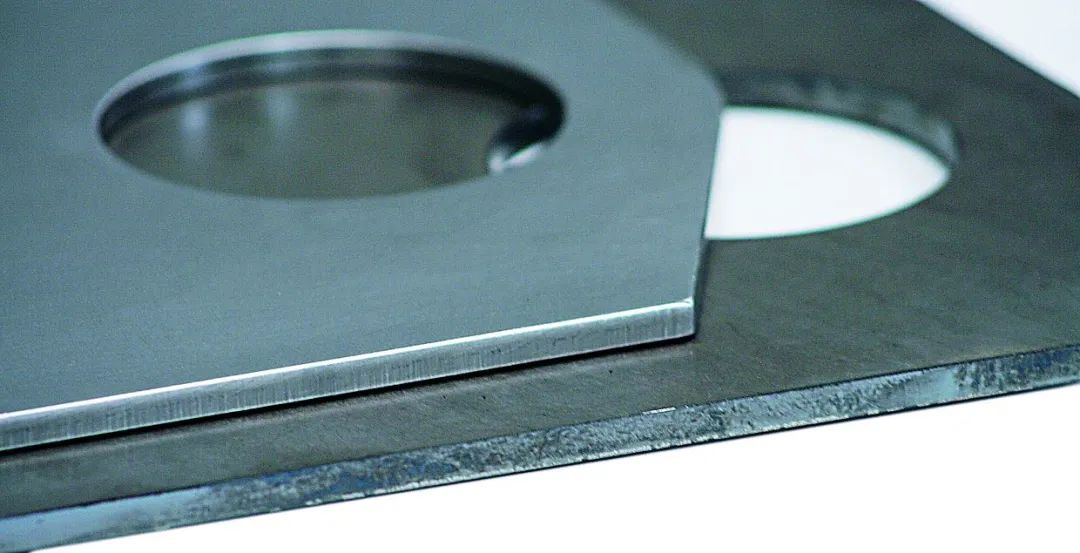
Removing the oxidized layer: thin plates are the hard part
However, there is a risk of damage to thin plates with either of these methods. What if a sheet metal processing company must provide a customer with laser thin sheet parts that are free of oxidized layers? The iron oxide on a steel part has weak adhesion, but it is harder than the base material. This means: thorough consideration and no carelessness in the selection of tools and the machining process! Grinding the edges of sheet metal to remove the oxide layer is not advisable, as the process on a conventional grinder takes too long. Sandblasting or pickling processes, on the other hand, add to the process and are time-consuming and labor-intensive. The use of a deburring machine for edge treatment is the best method that has been validated and justified for sheet metal thicknesses up to 20 mm. Sheet metal parts are fed into the machine for deburring and chamfering, which also removes the oxide layer. Strictly speaking, these are different processes, but with the right choice and combination of grinding tools, they can all be done efficiently on a single machine.
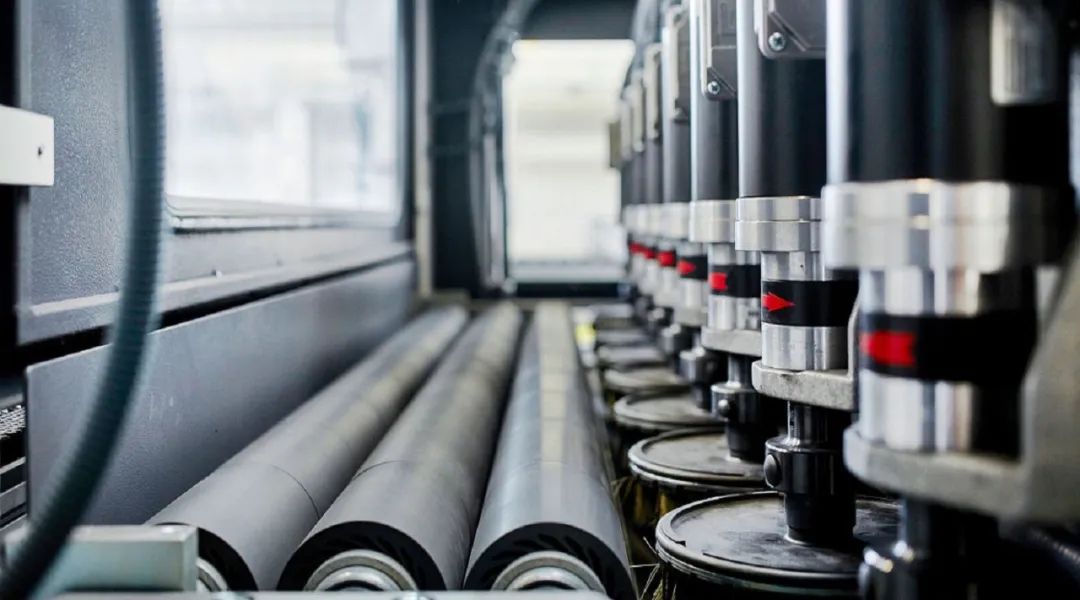
Deburring machines for processing sheet metal are mainly equipped with sanding tools such as roller brushes, brush discs or brush blocks. They can round off the edges of sheet metal parts or remove oxidized layers from cut surfaces. The tools for removing the oxide layer are fitted with special pins whose fine points remove the oxide and make it fall off the cut surface. Roller brushes and brush discs are only single-sided, so they need to be turned over and passed through the machine a second time to deal with the oxide layer. And in single-sided machines, the part needs to be held in place by a vacuum. Sanding brushes, on the other hand, can be used on both sides and do not require the part to be turned over for efficient sanding. In any case, deburring machines are superior to manual operations - this is reflected in the reliability and consistency of the quality and precision of the process. Because these machine systems work much faster than manual labor with files or angle grinders, processors can quickly recoup their investment costs.
However, all processes have one thing in common: grinding tools affect the surface appearance of the part. Therefore, the quality of the surface of the part is another criterion for selecting a process. Sanding brushes for deburring machines can also remove oxidized layers Regardless of which machine is used, the task of removing oxidized layers from cutting surfaces is performed by sanding brushes. Depending on the deburring machine, specialized oxide removal brushes can be used. Depending on the alloy, sheet metal processing companies can use it for deposits that are more difficult to remove. In this way, all processed sheet metal parts are given a perfect surface edge.
The ultimate goal of a sheet metal fabricator is to provide customers with the quality parts they want. Especially in the case of finished products for outdoor use, no manufacturer can tolerate the slightest negligence in the quality of the coating, otherwise the product will lose its long-lasting durability. For this reason, oxide removal and edge rounding are essential processes. Whether the choice of using a deburring machine to remove the oxide is the right one, or whether there is another method that is more suitable, depends entirely on the requirements of the production. By testing and comparing the various processes, the user can get a good idea of the performance and machining results of the deburring machine for oxide removal.
Deburring machines for processing sheet metal are mainly equipped with sanding tools such as roller brushes, brush discs or brush blocks. They can round off the edges of sheet metal parts or remove oxidized layers from the cut surfaces. The tools for removing the oxide layer are fitted with special pins whose fine points remove the oxide and make it fall off the cut surface. Roller brushes and brush discs are only single-sided, so they need to be turned over and passed through the machine a second time to deal with the oxide layer. And in single-sided machines, the part needs to be held in place by a vacuum. Sanding brushes, on the other hand, can be used on both sides and do not require the part to be turned over for efficient sanding.
In any case, deburring machines are superior to manual operations - this is reflected in the reliability and consistency of the quality and precision of the process. Because these machine systems work much faster than manual labor with files or angle grinders, processors can quickly recoup their investment costs.
However, all processes have one thing in common: grinding tools affect the surface appearance of the part. Therefore, the quality of the surface of the part is another criterion for selecting a process.
The sanding brushes of deburring machines can also remove oxidized layers
Regardless of which machine is used, the task of removing oxidized layers from the cutting surface is not left to the sanding brush. Depending on the deburring machine, specialized oxide removal brushes can be used. Depending on the alloy, sheet metal processing companies can use it for deposits that are more difficult to remove. In this way, all processed sheet metal parts are given a perfect surface edge.
The ultimate goal of a sheet metal fabricator is to provide customers with the quality parts they want. Especially in the case of finished products for outdoor use, no manufacturer can tolerate the slightest negligence in the quality of the coating, otherwise the product will lose its long-lasting durability. For this reason, oxide removal and edge rounding are essential processes.
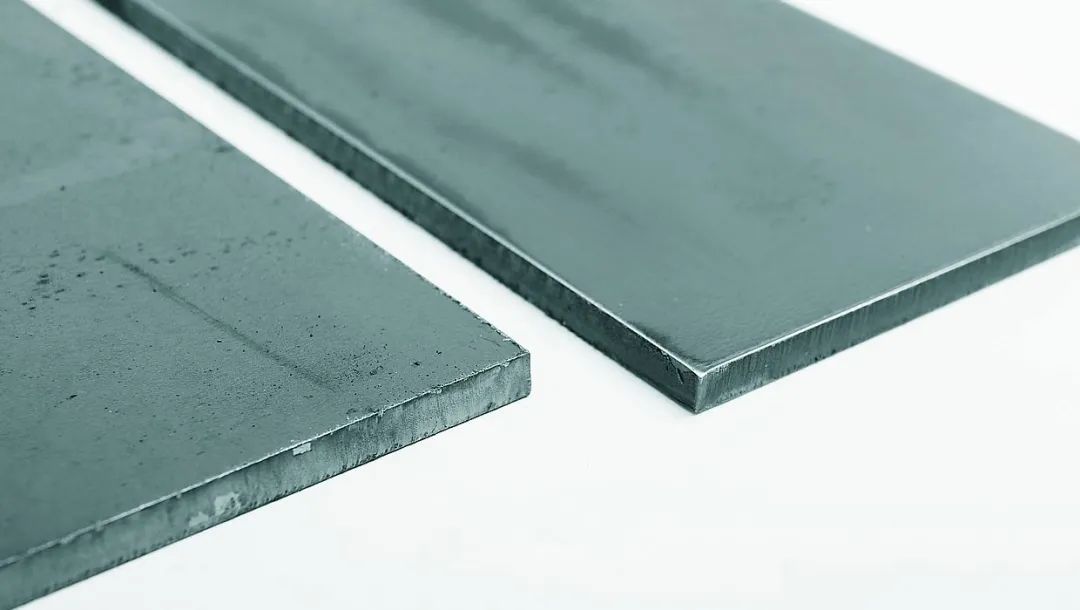
Whether the choice of using a deburring machine to remove the oxide is the right one, or whether there is another method that is more suitable, depends entirely on the requirements of the production. By testing and comparing the various processes, the user can get a good idea of the performance and machining results of the deburring machine for oxide removal.